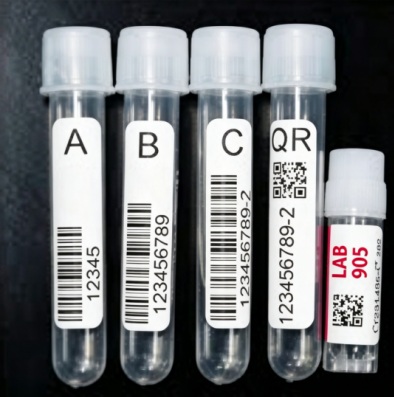
Cyro labels for laboratory samples

Why Do Laboratories Need Cryo Labels? Durable From -196°C to 145°C

Imagine taking a valuable five-year-old cell line from liquid nitrogen only to discover an unidentified or peeling label. The irreparable loss of undetected samples is a devastating loss for any lab. The standard adhesives will fail under extreme conditions, and can cause damage to years of hard-earned research. This is the reason why specially designed…

Telecommunications warehouse

Warehouse Rack Labels: Types And Labeling Ideas

In the busy world of telecommunications, inventory precision is not only an operational target, but it’s also a must. From delicate fiber-optic parts to huge base station hardware, the ability to find, track, and manage assets fast, directly shapes network uptime and supply chain smoothness. A solid labeling approach is kind of the backbone of…

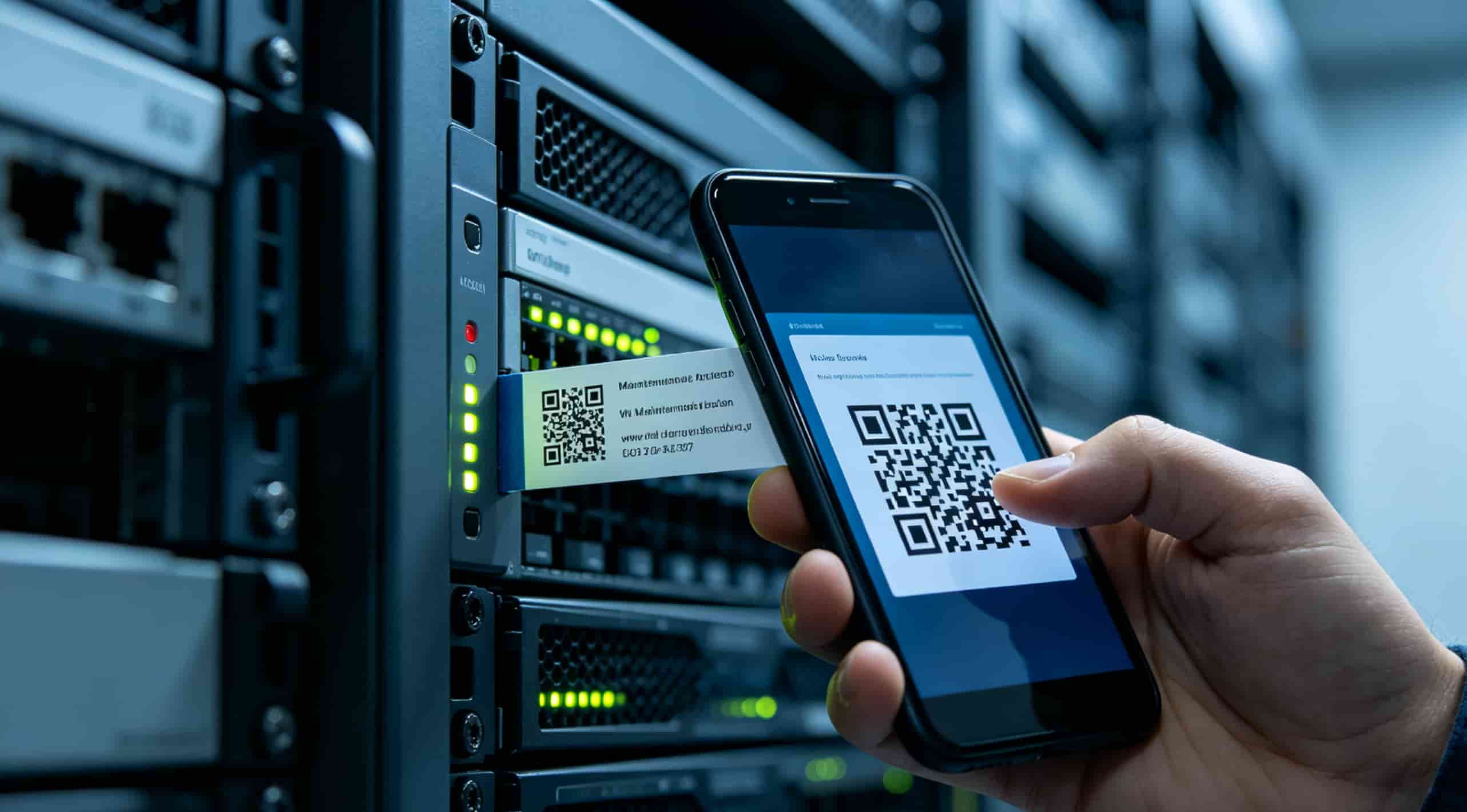
scanning QR code label during server maintenance

QR Code Labeling Solutions for Data Center Maintenance: Smarter Asset Management Starts Here

As data centers grow larger and more complex, O&M teams face mounting asset management strain. Outdated tagging like handwritten marks, regular barcodes and paper logs fails modern operational demands. QR code labeling solutions are emerging as a foundational tool it speeds up equipment identification, stores abundant asset data and connects smoothly with diverse asset management…

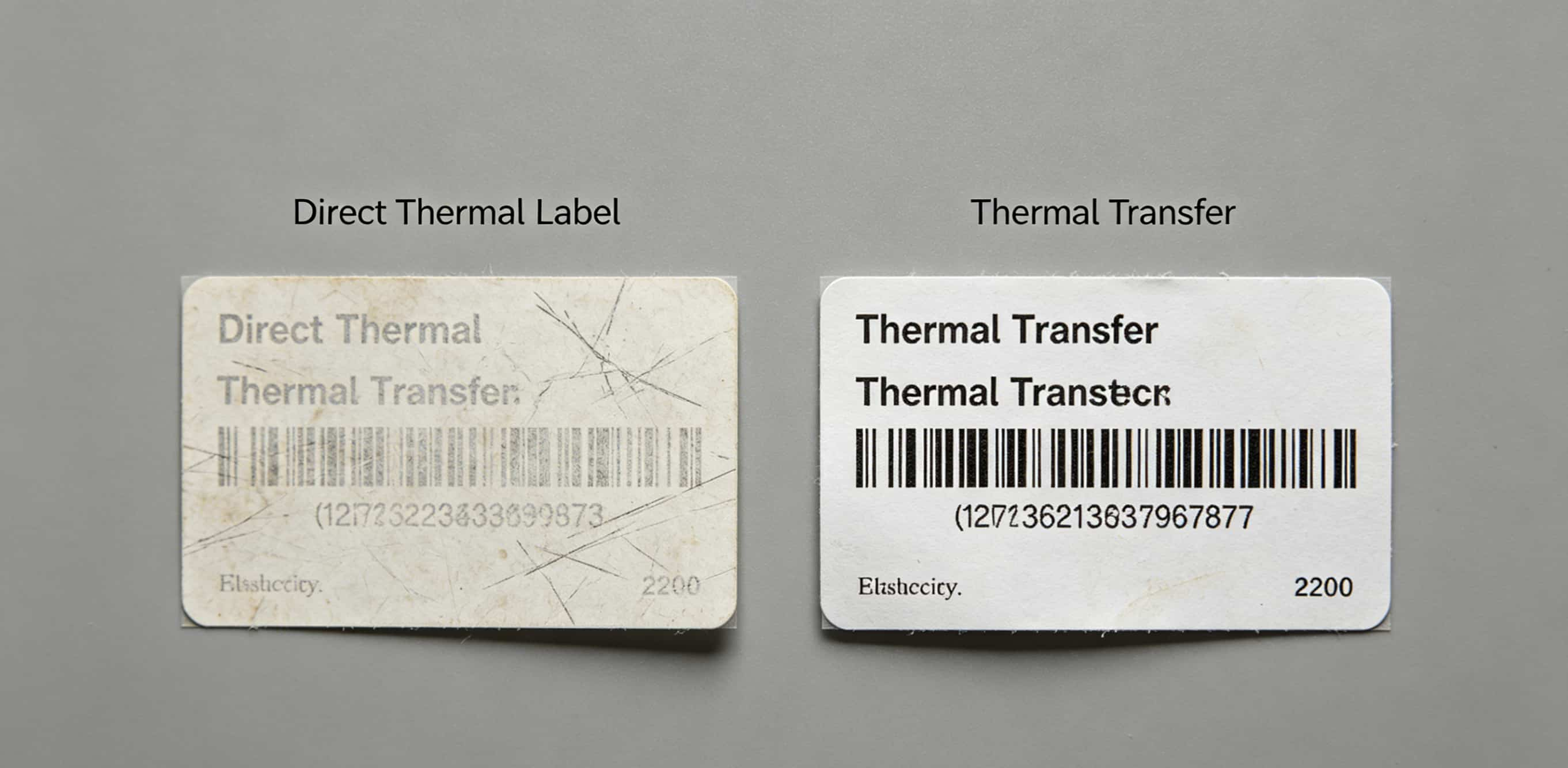
direct thermal vs thermal transfer label durability comparison

Thermal Transfer vs. Direct Thermal: Which Is Right for Industrial Manufacturing?

For industrial manufacturing operations, the choice between thermal transfer (TT) and direct thermal (DT) printing is not a minor operational detail. It is a foundational decision that affects label longevity, barcode scan reliability, compliance readiness, and the total cost of your labeling program over time. This guide breaks down the two technologies from first principles…

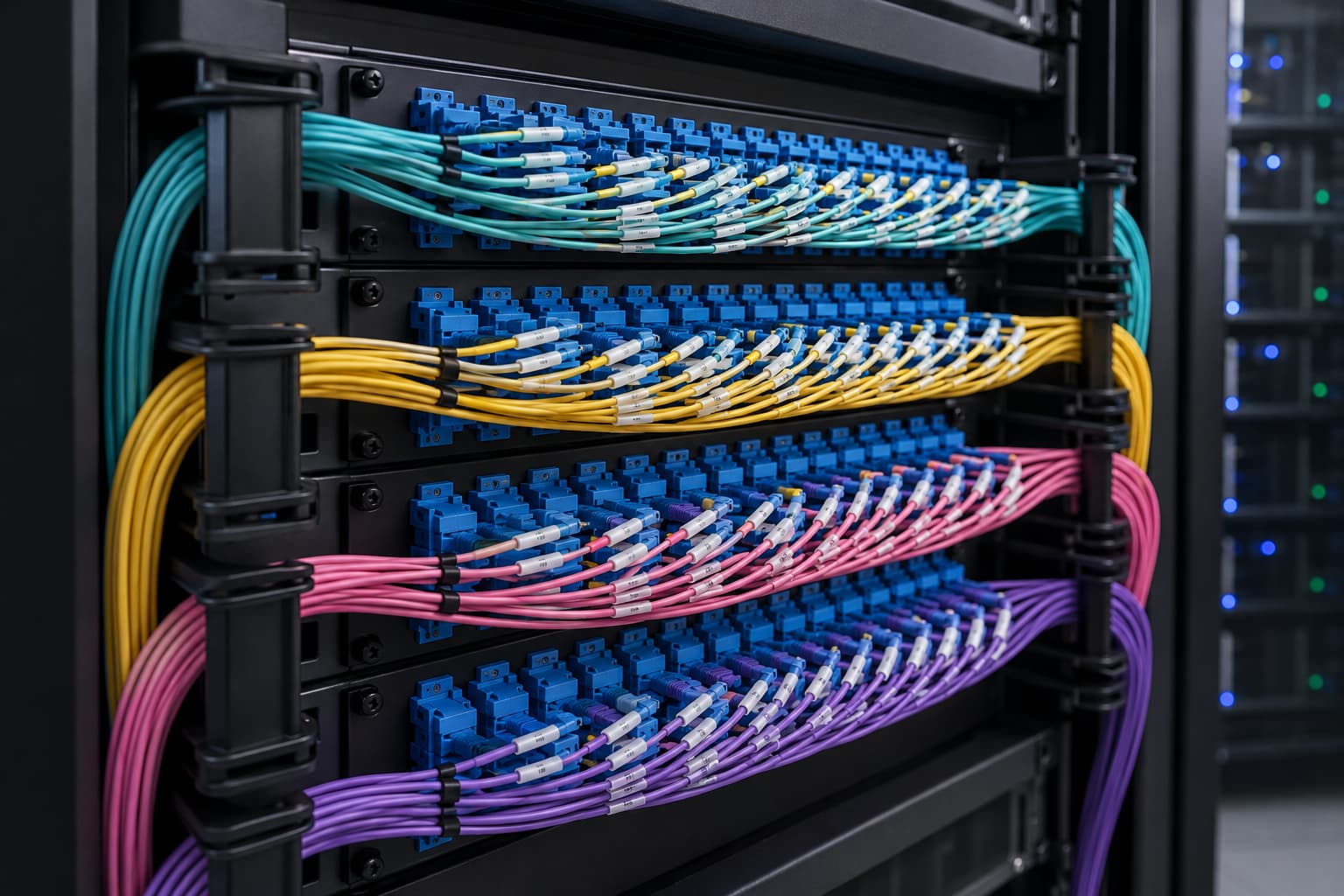
A high-density fiber optic patch panel inside a data center, showing tightly bundled colored patch cords with adhesive labels attached near the connectors

High Fiber Optic Loss? Your Cable Labels Might Be the Culprit

The Culprit Might Be Your Cable LabelIn modern data centers and enterprise networks, troubleshooting high insertion loss or unexpected signal degradation usually follows a familiar checklist. Network engineers clean the connector end-faces with isopropyl alcohol, inspect for dust particles with a fiber scope, check the patch panel splice trays, or run an Optical Time-Domain Reflectometer…

Fiber Optic Cabling

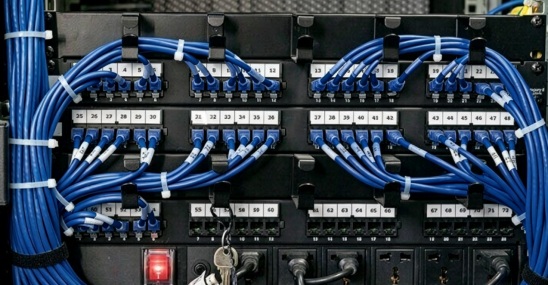
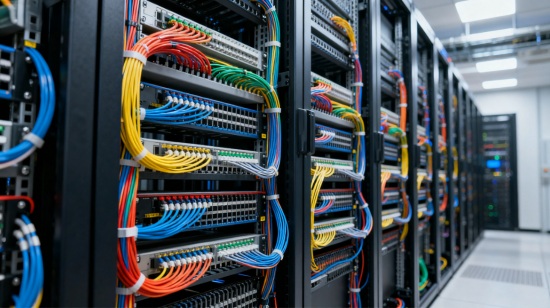
What Should You Know About Data Center Cabling

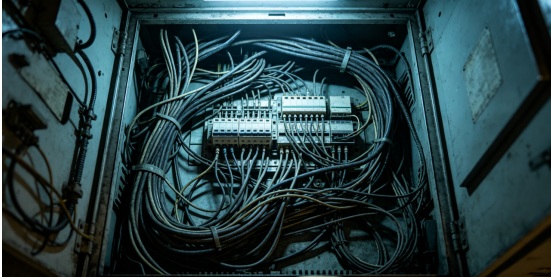
Modern businesses are powered by data and data centers are the foundation that keep clouds computing AI streams, workloads and enterprise systems running throughout the day. But behind every fast and reliable network lies the foundation that is often overlooked of Data center cables. Poor cabling design can cause downtime, overheating, signal interference and expensive…

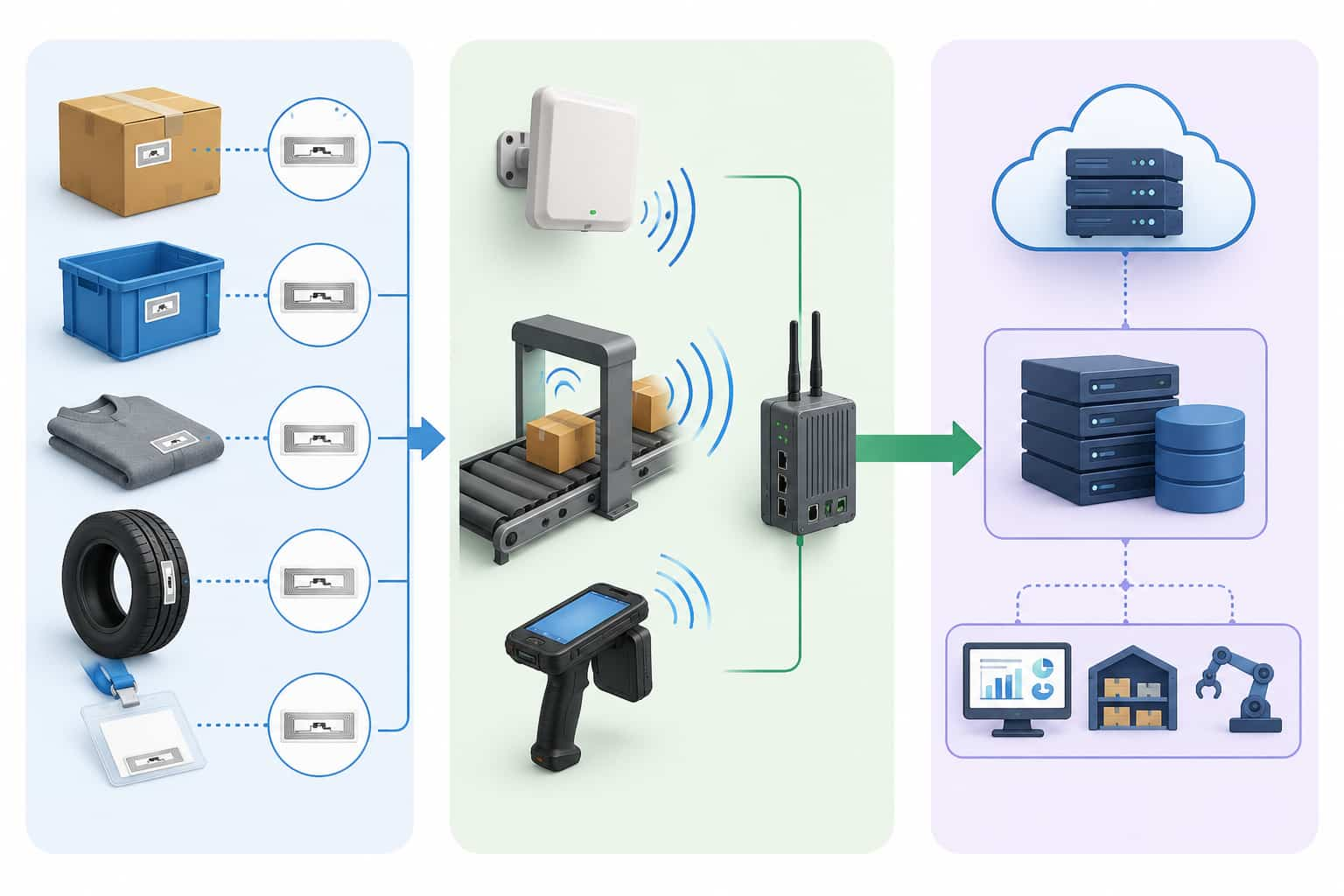
Complete RFID system process

Passive vs Active RFID Labels: Key Differences

RFID (Radio Frequency Identification) is a technology that automatically transmits data between labels and readers using radio waves. Unlike traditional barcode labels, RFID does not require visual alignment and can scan dozens or even hundreds of labels simultaneously in batches, and can still function reliably even in obstructed or harsh environments. People often confuse RFID…

Flexible Labels for Curved Surfaces

What to Look for When Buying Lab Sample Labels

In laboratory environments, small details can have major consequences—and labeling is one of the most critical. Poor-quality labels can either peel off when exposed to low temperatures or they will fade after chemical contact or they will break down with time. The result? Misidentified samples, compromised data integrity, and costly experimental errors. According to laboratory…

End of content

End of content