
Thermal Transfer vs. Direct Thermal: Which Is Right for Industrial Manufacturing?

Lead Specialist, Telecom Digitalization & Identification at MakeID
As Lead Specialist at MakeID, he drives digital transformation for physical asset identification in FTTx. Optimizing field maintenance and data accuracy, he helps global telecoms reduce MTTR and enable real-time asset-data alignment.
For industrial manufacturing operations, the choice between thermal transfer (TT) and direct thermal (DT) printing is not a minor operational detail. It is a foundational decision that affects label longevity, barcode scan reliability, compliance readiness, and the total cost of your labeling program over time. This guide breaks down the two technologies from first principles — covering how they work, the chemistry behind ribbon selection, real-world durability data, and which industrial scenarios demand which approach.
How Each Technology Works
Both methods belong to the broader thermal printing family, meaning both use heat generated by a printhead to create an image. Beyond that shared mechanism, they diverge significantly.
Direct Thermal Printing
Direct thermal printing creates an image by applying heat directly to a specially coated label surface. The coating contains heat-sensitive chemicals that darken when heated. Since the label itself reacts to heat, no ribbon, ink, or toner is required.
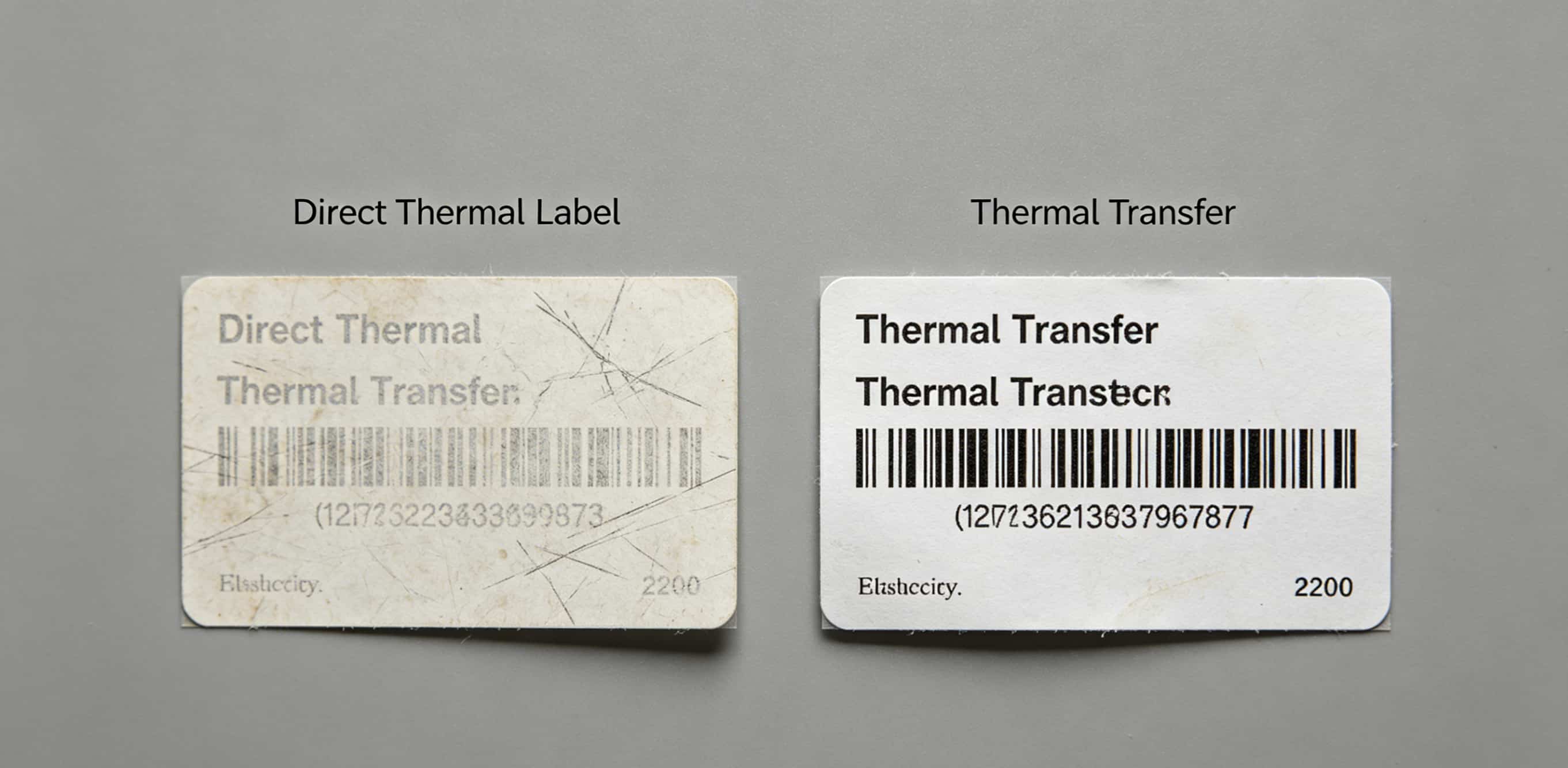
The simplicity of DT printing makes the printers easier to operate and lowers consumable costs. However, the same heat-sensitive coating that creates the image also creates its main weakness. Exposure to heat, UV light, friction, moisture, or chemicals can cause the label to fade or darken over time.
Because the printhead contacts the label directly during every print cycle, printhead wear is also typically higher than in thermal transfer systems.
Thermal Transfer Printing
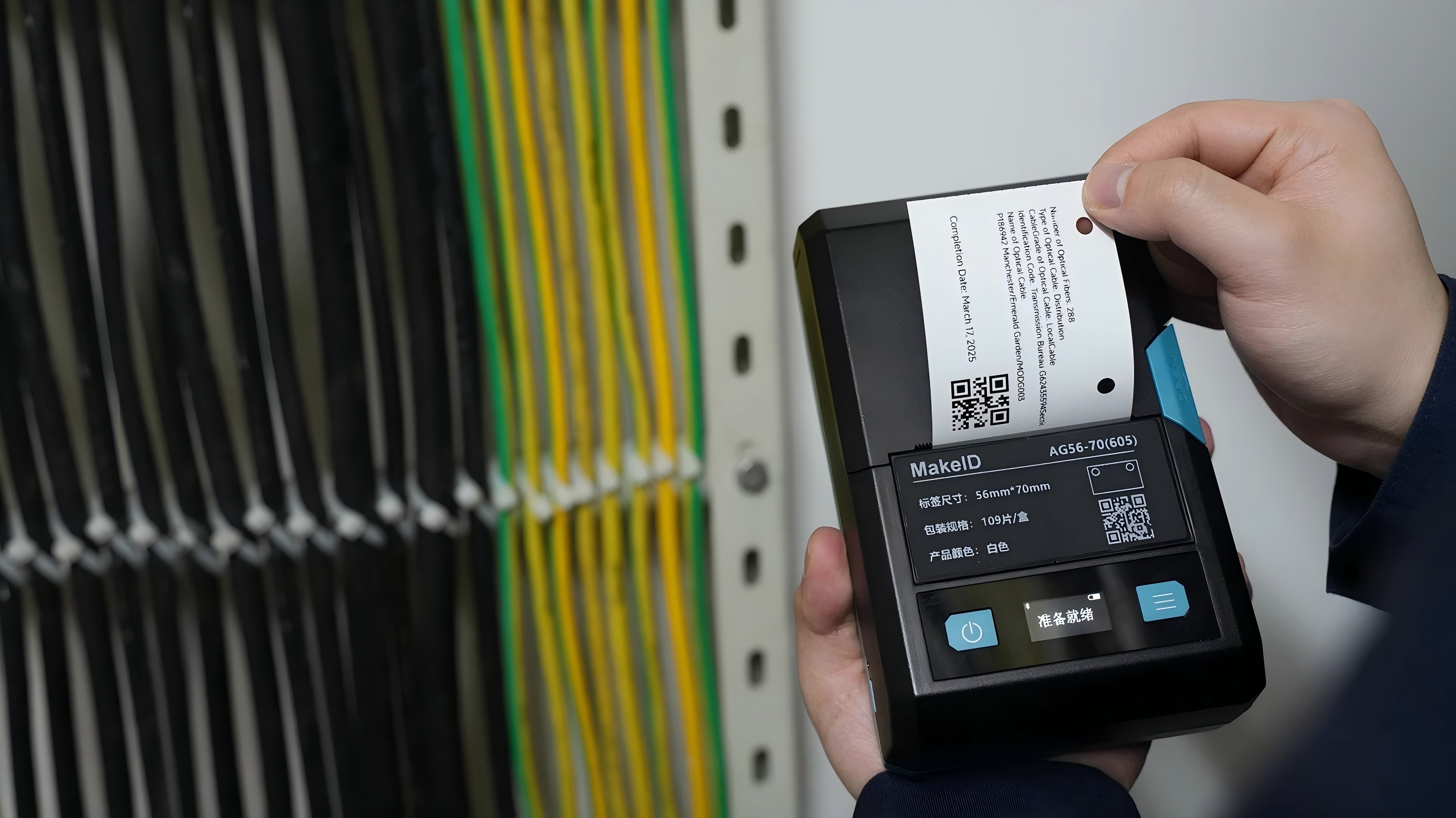
Thermal transfer printing uses a ribbon positioned between the printhead and the label. When heat is applied, material from the ribbon transfers onto the label surface.
Unlike direct thermal printing, the image is formed from deposited ribbon material rather than a chemical reaction within the label itself. This creates significantly higher durability and allows printing on synthetic materials such as polyester, polypropylene, and polyimide.
The ribbon also acts as a protective layer between the label and printhead, reducing mechanical wear and extending printer lifespan.
Side-by-Side Comparison
| Dimension | Direct Thermal | Thermal Transfer |
| Ribbon required | No | Yes |
| Typical label lifespan | 6–12 months | 2–10+ years |
| Substrate options | Heat-sensitive paper primarily | Paper, polyester, polypropylene, polyimide, vinyl |
| Heat resistance | Poor | Excellent (ribbon-dependent) |
| Chemical resistance | Poor | Good to excellent (ribbon-dependent) |
| UV resistance | Poor | Good to excellent |
| Abrasion resistance | Low | High |
| Printhead longevity | Shorter (direct contact) | Longer (ribbon buffers contact) |
| Upfront cost | Lower | Higher |
| Per-label cost | Lower (no ribbon) | Higher (ribbon + substrate) |
| Best suited for | Short-term, indoor, low-stress | Long-term, industrial, harsh environments |
Ribbon Chemistry and Durability
The performance of a thermal transfer label is not determined by the printer alone. It is determined by the combination of three variables: the ribbon type, the label substrate, and the environment the label must survive. Understanding ribbon chemistry is the key to getting this combination right.There are three ribbon categories, and they are best understood not as a quality hierarchy from cheap to premium, but as three distinct tools designed for three different jobs.
Wax Ribbons
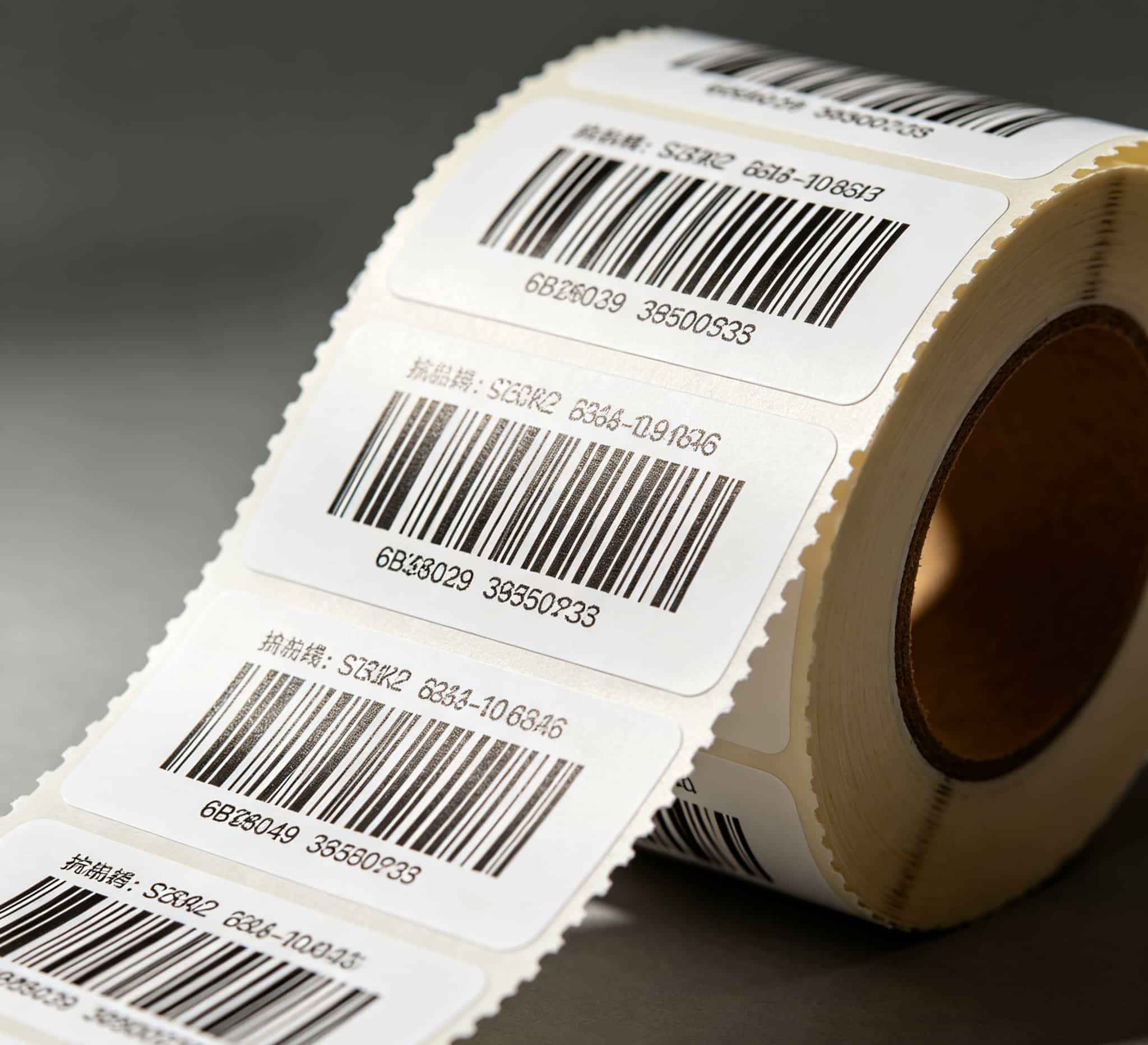
Wax ribbons are composed primarily of wax-based compounds with a relatively low melting point. They transfer cleanly at standard print speeds onto paper-based label surfaces, producing good print quality for general-purpose use.
The practical trade-off is durability. Wax-printed images are vulnerable to smudging under friction, fading with moisture exposure, and degradation in temperature extremes. For paper substrates in stable indoor environments — shipping labels on packages moving through a climate-controlled distribution center, for example — wax ribbons perform well and offer the lowest cost per label among the three types.
In industrial manufacturing environments, however, wax ribbons are rarely the right answer. Any label that will encounter oil, chemical washdown, mechanical abrasion, elevated temperatures, or extended outdoor exposure will outlast the capabilities of a wax ribbon print.
Where wax ribbons belong: Retail price tags, general warehousing labels, indoor logistics labels with short to medium shelf lives, and applications where labels are protected from physical stress.
Wax-Resin Ribbons
Wax-resin ribbons use mixed wax and resin formulas. A higher wax ratio delivers better paper adaptability and lower cost, while more resin enhances resistance to chemicals, abrasion and heat.
These ribbons offer resistance to:
- Moisture
- Light chemicals
- Friction
- Cold storage environments
Where wax-resin ribbons belong: Warehouse management labels, pharmaceutical labels, food and beverage production labels, outdoor storage in mild climates, and applications requiring moderate durability across a range of substrates.
Full Resin Ribbons
Formulated with high resin content, these ribbons form strong molecular bonds with synthetic substrates. Prints withstand chemicals, fluids, extreme temperatures, UV rays and heavy abrasion, with no fading or ink transfer.
They demand higher printhead temperatures and deliver optimal performance only on synthetic materials; adhesion and durability drop significantly on paper labels.
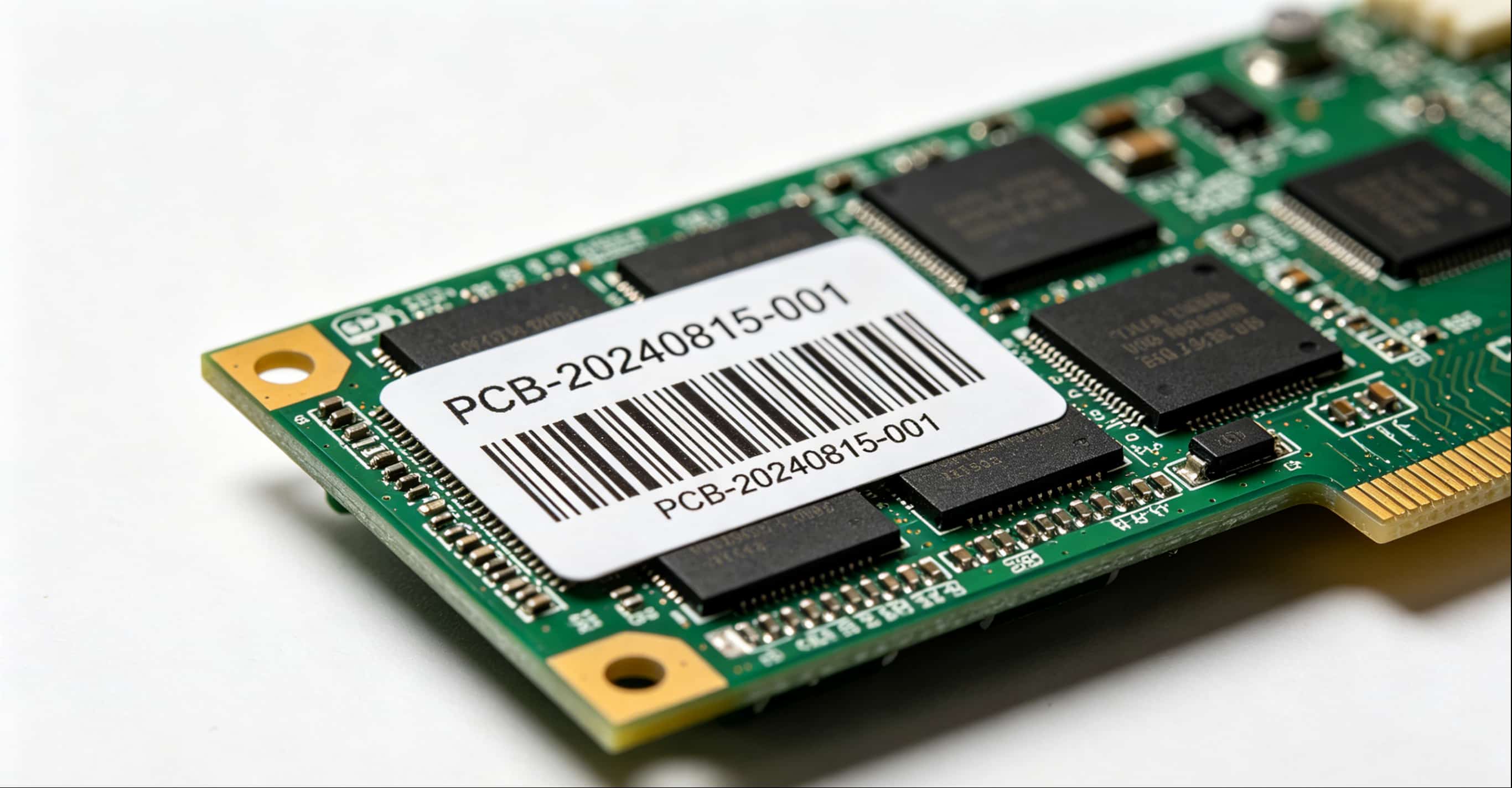
Where full resin ribbons belong: Asset tracking tags in harsh environments, automotive component labels (oil, heat, solvent exposure), circuit board and PCB identification, chemical drum and hazmat labels, laboratory specimen labels requiring cryogenic or sterilization tolerance, compliance and certification labels requiring multi-year legibility, and any application where the label must outlast the product lifecycle.
Label Longevity: What the Numbers Actually Mean
Lifespan data for thermal labels is widely cited but rarely contextualized. Here is what the research and field performance data indicate, alongside the conditions that drive variation.
Direct Thermal Lifespan
Under ideal indoor conditions, direct thermal labels may remain readable six months to one year. This is the “best case” scenario. However, industrial environments rarely provide ideal conditions.
Exposure to heat, sunlight, friction, or plasticizers can rapidly degrade DT labels. In factories involving paint curing, washdown systems, outdoor staging, or chemical processing, labels may fail far earlier than expected.
Thermal Transfer Lifespan
Thermal transfer labels offer far greater longevity when ribbon and substrate are properly matched.
Typical performance ranges include:
- Polyester + wax-resin: 2–5 years
- Polyester + full resin: 3–7 years
- Polyimide + full resin: 5–10+ years
These combinations are specifically engineered for industrial traceability and long-term compliance.
The Hidden Cost of Label Failure
Direct thermal printing often appears cheaper when comparing only consumable costs. However, failed labels create additional operational costs that are frequently overlooked.
- Traceability Gaps
Industries such as automotive, aerospace, food processing, and medical devices depend on accurate tracking throughout the product lifecycle. Unreadable labels can create compliance violations and audit risks.
- Reprinting Labor
Every failed label requires labor to locate the asset, print a replacement, and reapply the label. In high-volume environments, this becomes expensive quickly.
- Scan Errors
Partially damaged barcodes are especially dangerous because scanners may occasionally misread them rather than reject them completely. This can lead to incorrect inventory movements or serial number records.
- Production Disruptions
Label failures can interrupt workflows, delay shipments, and force manual verification processes.
When these hidden costs are included, thermal transfer printing often becomes the more economical long-term solution despite higher upfront consumable costs.
Industrial Manufacturing: Why Thermal Transfer Wins in Harsh Environments
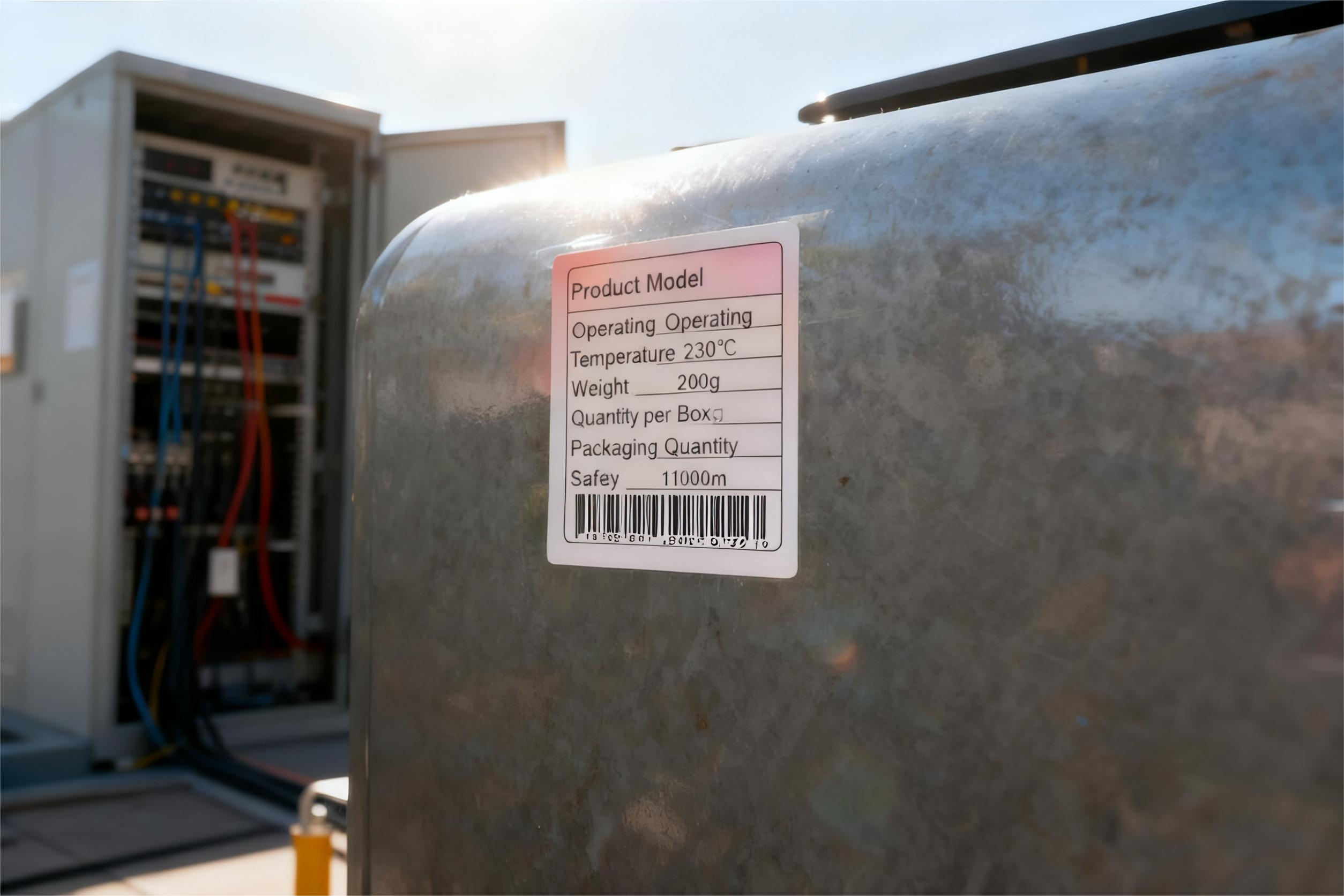
Industrial environments are highly demanding. Heat, chemicals, moisture, UV exposure, and abrasion are common across manufacturing sectors — are precisely the properties that degrade heat-sensitive label coatings.
High-Temperature Processes
Processes involving elevated temperatures are common across manufacturing sectors: paint curing ovens, heat treatment chambers, welding areas, steam cleaning stations, autoclave sterilization. Direct thermal labels cannot survive these environments. The heat-sensitive coating will react to the process temperatures, darkening or destroying the printed image.
Thermal transfer labels using full resin ribbons and polyimide substrates are specifically designed for these environments.
Chemical and Solvent Exposure
Factories commonly use oils, lubricants, solvents, and cleaning agents that quickly degrade low-durability labels.
The resin formulation in full resin ribbons provides chemical resistance that wax-based systems cannot match. The bond between a resin-printed image and a synthetic substrate is resistant to the solvents and oils that characterize industrial manufacturing environments.
Mechanical Abrasion
Parts moving through conveyors, bins, and assembly lines experience constant friction and handling.
The buffer role of the ribbon in thermal transfer printing also extends printhead life under high-volume production conditions. In environments prone to dust and debris — which characterize many manufacturing floors — the ribbon protects the printhead from the abrasive contact that accelerates wear in direct thermal systems.
Outdoor and UV Exposure
Outdoor-stored goods and field equipment require labels resistant to UV and weather. Direct thermal labels are unsuitable for outdoor use, as sunlight damages their heat-sensitive layer, leading to fading and darkening.
Thermal transfer labels with UV-stable formulations are designed for long-term outdoor use.
Cold Chain and Cryogenic Applications
Cold warehouses, pharmaceutical cold chains and labs bring labeling challenges. Paper labels soak up moisture in fluctuating temperatures, resulting in adhesive failure and material damage.
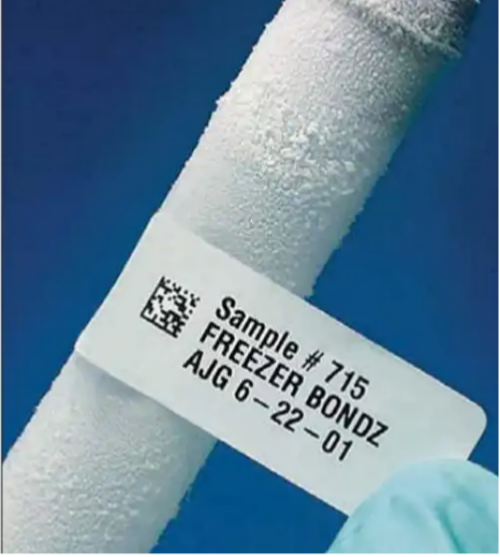
Wax-resin and full resin ribbons on synthetic substrates stay reliable through temperature shifts, and select polyester types support cryogenic storage.
Industry-Specific Application Summary
| Industry | Typical Labeling Challenge | Recommended Approach |
| Automotive Manufacturing | Engine components: oil, heat, solvents | Full resin ribbon + polyester or polyimide substrate |
| Aerospace / Defense | Long-term asset tracking, MRO traceability | Full resin ribbon + polyimide substrate |
| Chemical Processing | Hazmat and drum labeling, solvent exposure | Full resin ribbon + synthetic substrate |
| Medical Device Manufacturing | Sterilization cycles, alcohol wipe-down | Full resin ribbon + polyester substrate |
| Electronics / PCB | High-precision component ID, heat exposure | Full resin ribbon + polyimide substrate |
| Food & Beverage | Cold chain, moisture, washdown | Wax-resin ribbon + synthetic substrate |
| Pharmaceutical | Cold storage, compliance labeling | Wax-resin or full resin + synthetic substrate |
| General Warehousing (indoor) | High-volume shipping labels, short cycle | Wax-resin ribbon + coated paper; direct thermal acceptable for outbound labels only |
Where Direct Thermal Still Makes Sense
Direct thermal is not a bad technology. It is simply designed for different applications.
DT printing works well when labels are:
- Short-term by design
- Used indoors
- Protected from heat and chemicals
- Produced in very high volume
- Intended for temporary tracking
Common examples include:
- Shipping labels
- Retail tags
- Receipts
- Temporary inventory labels
For these applications, direct thermal offers simplicity and low operating costs.
The problem occurs when DT printing is used in environments that require long-term durability.
Selecting Industrial Printing Equipment
Choosing the right printer involves more than selecting DT or TT technology.
Match Duty Cycle to Production Volume
Industrial printers are designed for continuous high-volume operation. Desktop printers may fail prematurely under manufacturing workloads.
Validate Ribbon and Substrate Combinations
Not every ribbon performs equally on every material. Real-world testing is essential before large-scale deployment.
Evaluate Environmental Protection
Printers operating in dusty or humid environments should have suitable industrial protection ratings.
Making the Decision: A Practical Framework
Three questions determine which technology is right for a given application.
Scannable lifespan
For less than 6 months with mild conditions: direct thermal works. For 1+ years or full lifecycle tracking: choose thermal transfer.
Operating environment
Exposure to high heat, UV, moisture, chemicals or abrasion requires thermal transfer. Harsher environments call for higher-resin ribbons.
Risks of label failure
In compliance, safety and traceability scenarios, label issues lead to compliance/quality risks. High failure costs make thermal transfer the practical choice.
Industrial manufacturing environments are, almost by definition, environments where all three of these questions push toward thermal transfer. The technology exists precisely because industrial operations require labels that perform as reliably as the components they track — for as long as those components are in service.
Conclusion
The decision between direct thermal and thermal transfer printing ultimately depends on matching the technology to the environment.
Direct thermal is ideal for short-term, indoor labeling applications where low cost and simplicity matter most. However, industrial manufacturing environments expose labels to heat, chemicals, abrasion, moisture, and long service life requirements that direct thermal technology is not designed to handle.
Thermal transfer printing — especially when combined with the correct ribbon chemistry and synthetic substrates — provides the durability required for industrial traceability and compliance.
In manufacturing operations where label failure can disrupt production or create regulatory risk, the higher upfront cost of thermal transfer is typically recovered through reduced maintenance, fewer reprints, and improved operational reliability.
Ready to Upgrade Your Industrial Labeling System?
MakeID offers industrial labeling solutions designed for demanding manufacturing environments, including thermal transfer printers, durable ribbon options, and high-performance label materials built to withstand heat, chemicals, abrasion, and outdoor exposure.
From short-run production labeling to enterprise-scale asset tracking, MakeID helps manufacturers improve barcode reliability, reduce relabeling costs, and maintain consistent operational efficiency across the entire production lifecycle.