
What is The Principle Of The Waterproof Label?
In scenarios such as power construction, communication wiring, industrial manufacturing, and warehousing logistics, labels not only serve as information carriers but also are crucial tools for ensuring the long-term stable operation of systems. However, in humid, hot, outdoor, and other complex environments, ordinary labels often experience detachment, blurring, or even complete failure.This is why “waterproof labels” have gradually become standard equipment in professional fields. So, how do waterproof labels achieve water resistance? And how should they be selected in practical applications? This article will provide you with a comprehensive explanation.
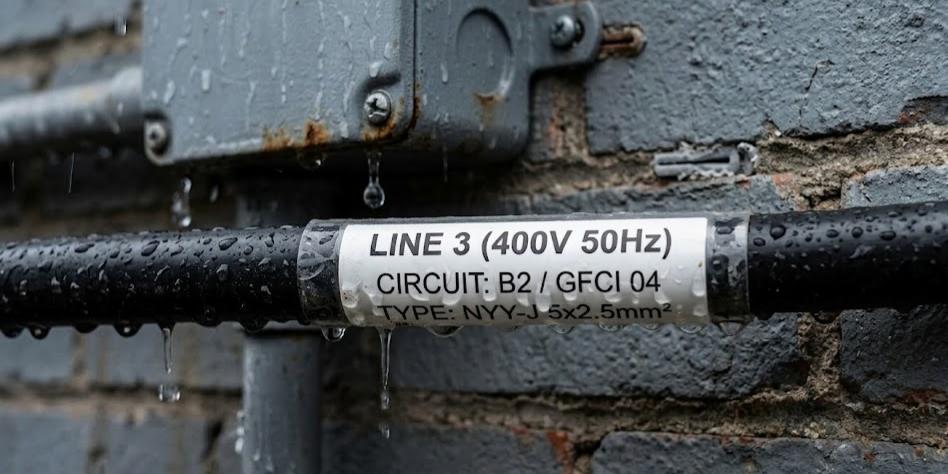
Why Are Waterproof Labels So Important?
In actual engineering projects, the problems caused by label failure are far more serious than imagined:
- Unidentifiable cables significantly reduce maintenance efficiency.
- Confusing signage in the power distribution system increases safety risks.
- Difficulties in troubleshooting communication networks impact operation and maintenance efficiency.
What is The Principle of The Waterproof Label?
The waterproof label is not merely a “waterproof material”, but rather a system composed of materials, adhesives and printing techniques.
The essence of waterproofing: Preventing water from penetrating
The damage caused by water to labels mainly manifests in three aspects:
- Permeation: Water enters the interior of the label, resulting in a loose structure
- Hydrolysis: The molecular structure of the material is disrupted
- Diffusion: The ink spreads, making the information blurred
Therefore, what is called “waterproofing” essentially involves three points: preventing water from entering + maintaining the stability of the material + ensuring clear information
The surface material determines the waterproofing capacity of the base layer
The surface material of the label (Face Material) serves as the first line of defense.
Common waterproof materials include:
- PET: High strength, water-resistant, and heat-resistant
- PVC: Good flexibility, suitable for curved surfaces
- Synthetic paper: Combines the appearance of paper with the properties of plastic
The common characteristics of these materials are as follows:
- Dense molecular structure
- Almost non-absorbent
- Surface has some hydrophobicity
In comparison, ordinary paper labels will quickly absorb water and expand, thus lacking waterproofing ability.
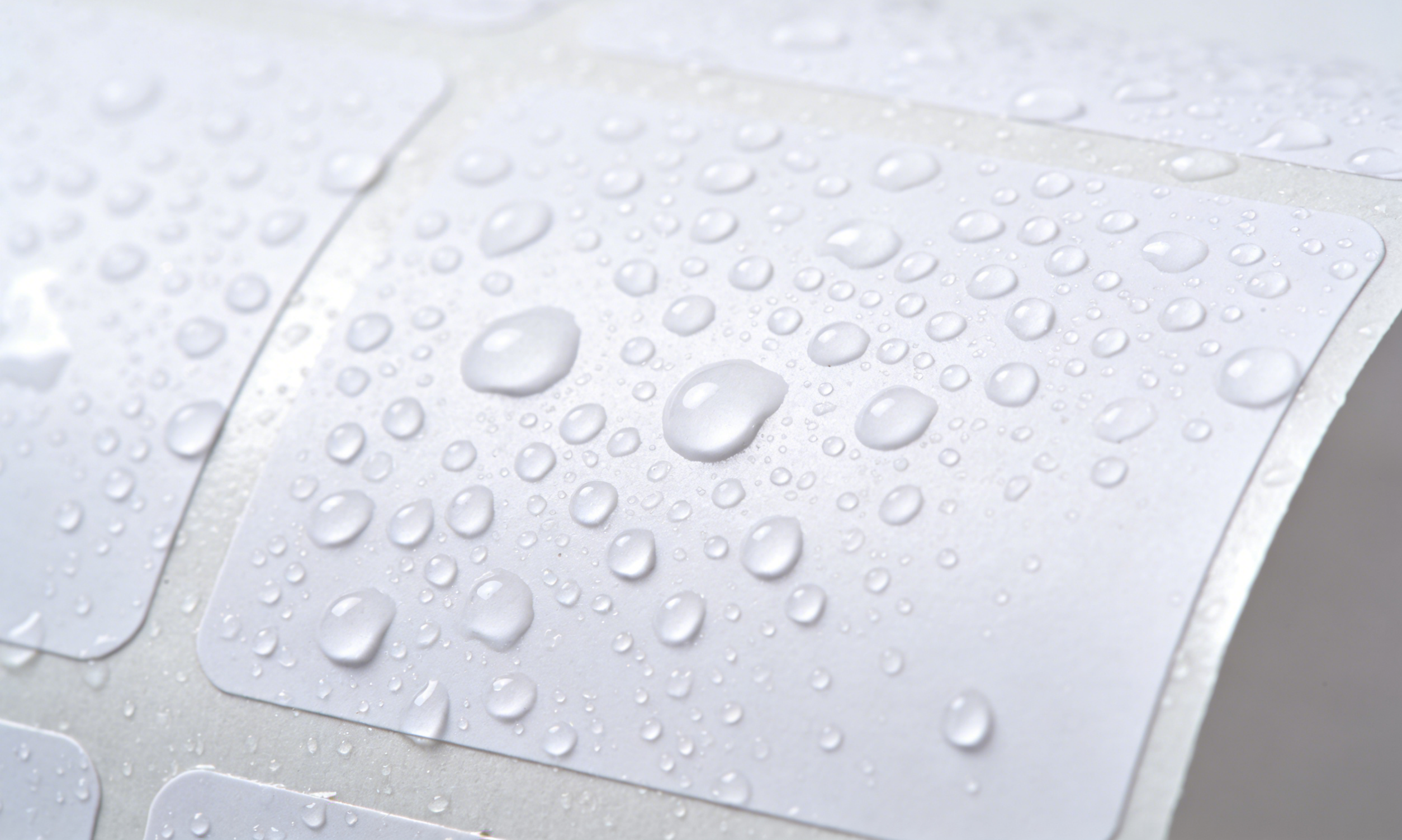
The adhesive determines whether it can “stick” or not
Many people overlook a crucial point: when labels fall off, it is often not a problem with the material, but rather the failure of the adhesive.
Common types of adhesives:
- Acrylic glue: Resistant to water and weathering (preferred in engineering)
- Rubber glue: Good initial adhesion, but relatively poor long-term water resistance
High-quality waterproof labels must meet the following requirements:
- Maintain adhesion in humid environments
- Not fail due to water intrusion
- It won’t fall off or curl up for a long time
Printing technology determines whether “characters will disappear”
The label not only needs to “exist”, but also needs to be “clearly visible”.
Two common printing methods:
(1) Thermal printing (not recommended)
It fades easily when exposed to water or heat
Suitable for short-term use
(2) Thermal Transfer Printing (Recommended)
Using carbon paper, the ink layer is melted onto the surface of the label
resulting in a water-resistant and wear-resistant layer
A truly waterproof label must be paired with heat transfer printing technology.
The surface coating enhances the protective capability
In high-end applications, a waterproof coating and an anti-UV coating are usually added to the surface of the labels. Their main functions are to enhance the waterproof performance, prevent fading caused by ultraviolet rays, and extend the service life of the labels.
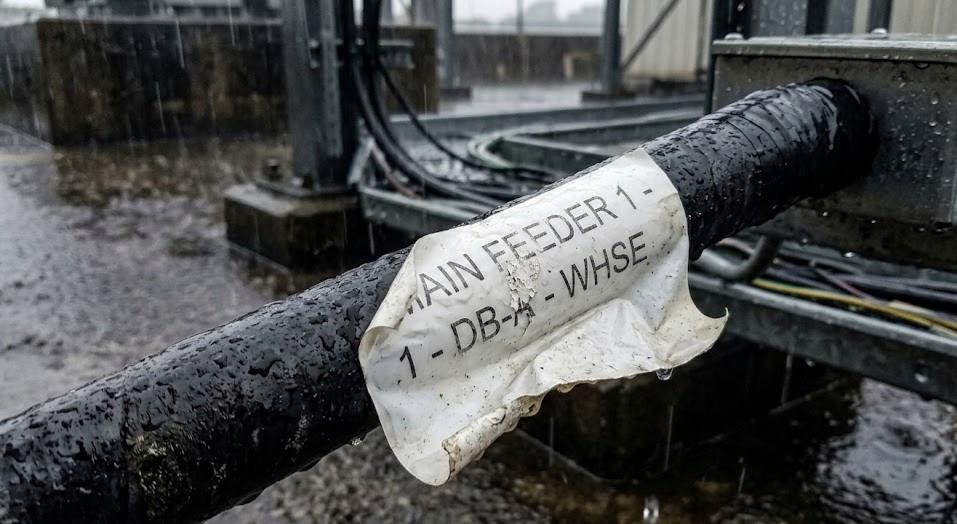
Common waterproofing levels
Many users have misunderstandings about “waterproofing”. In fact, there are different levels for waterproof labels.
- Waterproof for daily use: Splash-proof (such as indoor labels)
- Industrial waterproofing: Resistant to humid environments
- Outdoor waterproofing: Resistant to rain and UV rays
- Extreme environment: Resistant to high temperatures and chemical corrosion
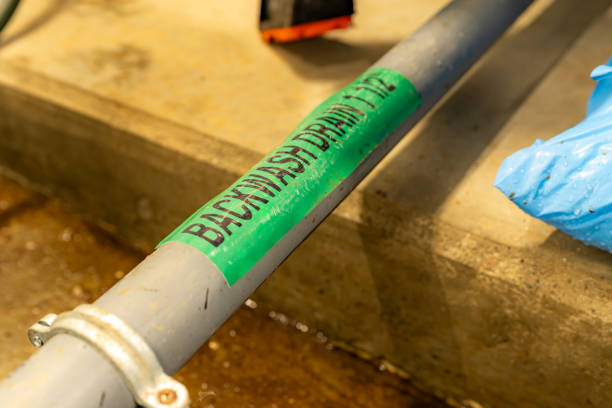
Common Misconception
Waterproof labels can be immersed for a long time.
→ In fact, most labels are not suitable for underwater use for an extended period.
All plastic labels are waterproof.
→ The materials, protective layers, and glue all affect the performance.
Waterproof = Resistance to high temperature / corrosion
→ Different properties require different materials for support
How to Choose The Right Waterproof Label?
The key to choosing waterproof labels lies in: matching the actual usage environment.
1. Select based on the usage environment
- For indoor environments (computer rooms / switchboards), PET labels combined with thermal transfer printing are recommended, as they offer clear, durable, and stable characteristics.
- For humid environments (underground pipelines / storage), strong adhesive acrylic glue and waterproof synthetic materials are recommended.
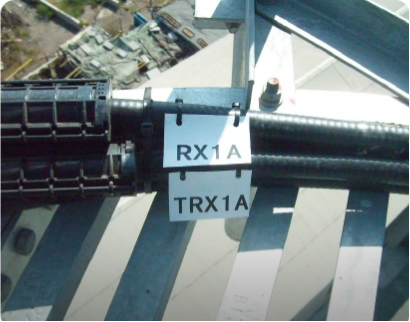
- For outdoor environments (electricity / communication / base stations), anti-UV PET labels are recommended, using a waterproof and weather-resistant combination. The core requirement is to meet the needs of waterproofing and sun resistance.
For high-temperature industrial environments, high-temperature label materials and industrial-grade printing solutions are recommended.
2. Choose based on service life
Short-term labels (< 1 year): Ordinary materials can be selected
Medium-term labels (1–5 years): Must have basic waterproofing capability
Long-term labels (≥ 8 years): Must use industrial-grade labels
3. Select based on printing method
Temporary use → Thermal label
Long-term use → Thermal transfer label printer
4. Select according to the surface being adhered to
Different surfaces require different label schemes:
Smooth surface (device casing) → Standard adhesive
Rough surface (wall) → Strong adhesive
Curved surface (cable) → Flexible material (such as PVC)
Typical application scenarios of waterproof labels
Waterproof labels have been widely used in various industries:
- Cable identification: Waterproof + Wear-resistant, ensuring long-term identification
- Distribution box labels: Long-lasting clarity, no fading
- Outdoor equipment identification: Resistant to rain and ultraviolet rays
- Warehousing and logistics: Resistant to humid environments
The common feature of these scenarios is that the labels must be stable and non-failing for a long time.