
Why Telecom Asset Identification Matters: Insights from Fiberdays 2026

Lead Specialist, Telecom Digitalization & Identification at MakeID
As Lead Specialist at MakeID, he drives digital transformation for physical asset identification in FTTx. Optimizing field maintenance and data accuracy, he helps global telecoms reduce MTTR and enable real-time asset-data alignment.
The energy at Fiberdays 2026 made one thing abundantly clear: telecom networks are scaling at an unprecedented rate. With the relentless expansion of FTTH and high-density data centers, operators are deploying infrastructure faster than ever.
But as observed during the event, laying infrastructure is only half the battle. The real challenge—and the hidden cost—lies in telecom asset management and identification.
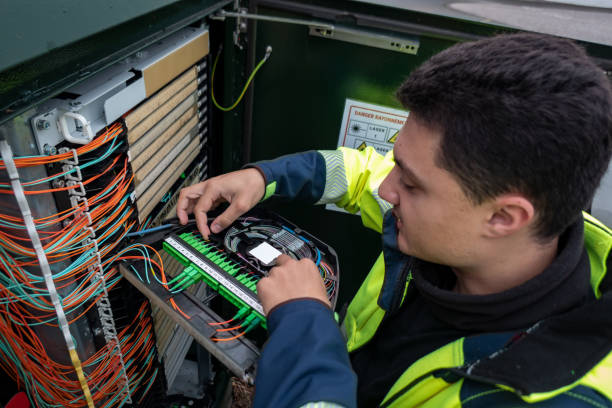
As networks grow increasingly complex, robust asset identification is no longer an optional upgrade; it is the backbone of sustainable network operations.
What Is Asset Identification in Telecom Networks?
Asset identification in telecom networks refers to the application of standardized, durable labels and digital tags to physical infrastructure—particularly at passive infrastructure nodes (dummy assets)—to ensure accurate tracking and management.
This includes key network components such as:
- Fiber cables
- Patch panels
- Cabinets
- Splitters
- Ports
- Fiber optic equipment
- Data center racks
It is primarily utilized in outside plant (OSP) environments, central offices, and enterprise server rooms to create a visual and scannable bridge between physical hardware and digital management systems.
Why Asset Identification Matters in Telecom Networks
Proper labeling transforms a chaotic web of wires into a manageable, data-driven system. It matters for three critical reasons:
Improves troubleshooting efficiency: Technicians can instantly identify specific fiber strands or ports, cutting mean time to repair (MTTR) by eliminating guesswork.
Enhances asset visibility: Clear identification ensures that network maps and inventory databases accurately reflect the physical reality on the ground.
Reduces operational errors: Standardized visual cues prevent accidental disconnections during maintenance, safeguarding network uptime.
Where Asset Identification Breaks Down
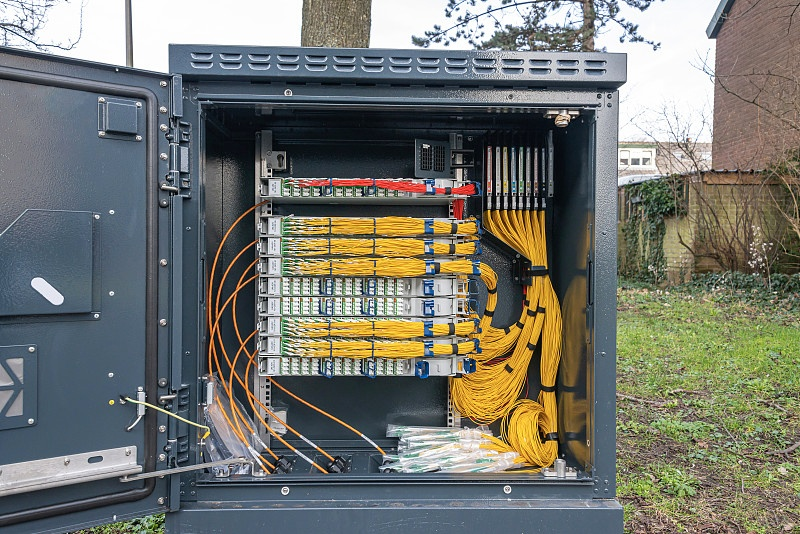
Despite its importance, identification is often treated as an afterthought. In the field, standard office labels fade, peel, or become illegible under harsh environmental conditions. When a field engineer encounters an unreadable label during a critical outage, the entire maintenance protocol breaks down, turning a 10-minute fix into a multi-hour archaeological dig.
Common Challenges in Telecom Asset Identification
As showcased by the pain points discussed at Fiberdays, operators frequently struggle with:
Lack of standardization: Different contractor teams using inconsistent naming conventions and label types across the same network.
Inconsistency between physical assets and records: A significant gap where physical labels do not match the data stored within Asset Management Systems, leading to “ghost assets.”
Manual processes: Relying on handwritten markers that are prone to human error and lack professional durability.
Environmental vulnerability: Using identification materials that cannot withstand UV exposure, rain, or corrosion, leading to rapid degradation in the field.
Best Practices for Telecom Asset Identification
To build a resilient network, operators must adopt a systematic approach to labeling.
- Standardize Labeling Formats
Establish clear, company-wide nomenclature conventions (such as TIA-606-C standards) to ensure uniformity. - Enable On-Site Labeling
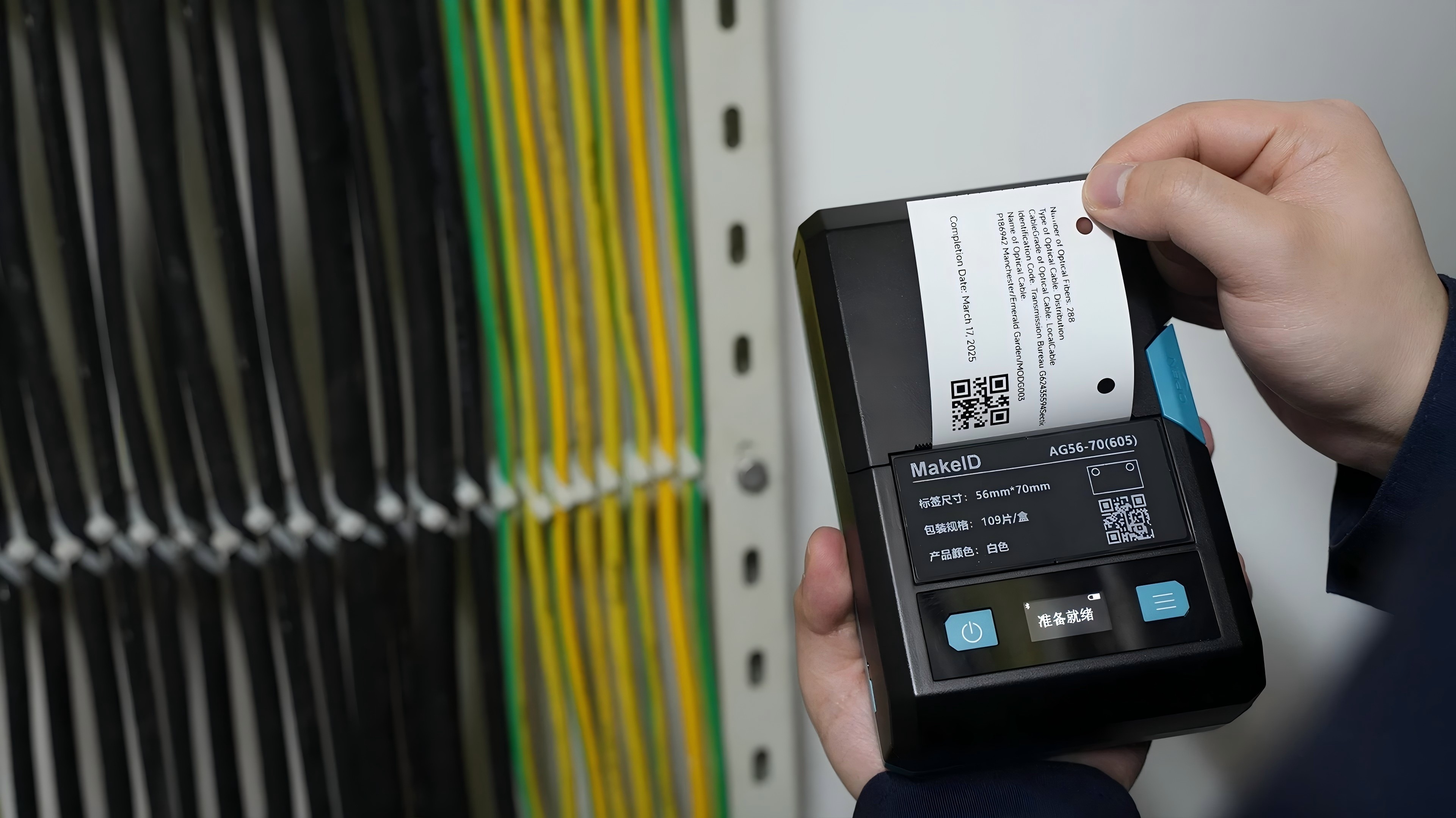
Equip field technicians with portable industrial label printers to accurate labels during installation, preventing post-deployment tagging errors. - Integrate with Asset Management Systems
Use barcodes or QR codes to link physical labels with digital asset databases, enabling real-time tracking and updates.
How to Build a Scalable Telecom Labeling System
A scalable system starts with the right hardware and software ecosystem. It requires shifting from fragmented, manual tagging to a centralized digital management platform. By standardizing the visual output—utilizing high-contrast, industrial-grade materials—and standardizing the data input through mobile apps connected to industrial printers.
This ensures every new network node is:
- Instantly labeled
- Digitally recorded
- Easily traceable
Enabling Identification in Real-World Environments
Real-world telecom environments are unforgiving. That’s why modern identification requires more than just a sticker—they require industrial-grade durability.
Modern solutions focus on:
- Weather-resistant materials
- Corrosion-proof labeling
- Long-term readability
By deploying field-ready labeling solutions, operators ensure that physical identifiers remain as reliable as the network infrastructure itself, from the central data center to the most remote outdoor cabinet.
FAQ: Telecom Asset Identification
Q1: Why is labeling important in telecom networks?
Labeling is essential because it visually bridges physical infrastructure with digital records, significantly reducing downtime by allowing technicians to locate and troubleshoot cables quickly without operational errors.
Q2: What is the best way to identify cables in fiber networks?
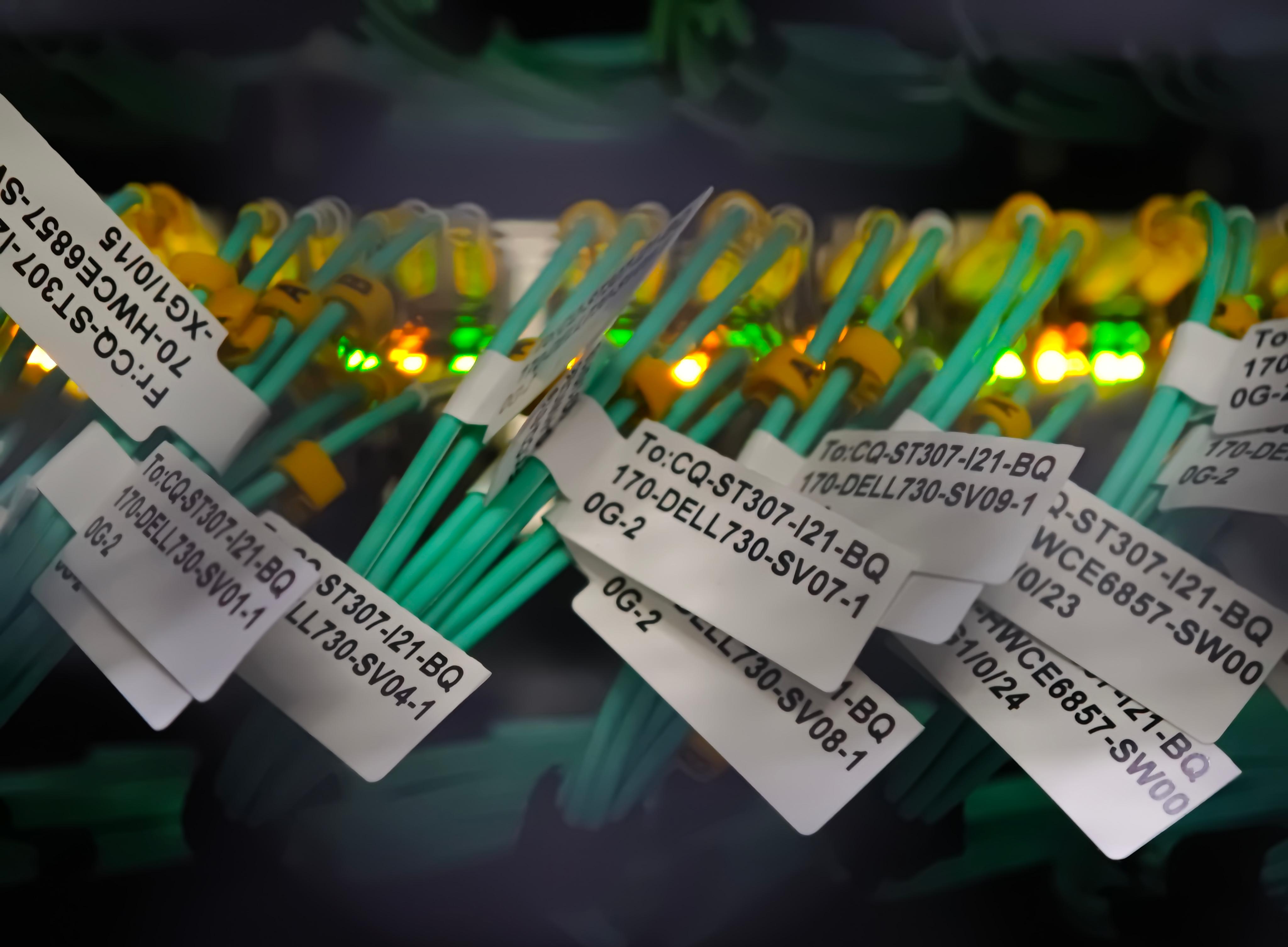
The best approach is using durable, wrap-around or flag labels featuring machine-readable QR codes, printed on-site using materials that resist UV, moisture, and corrosion.
Q3: How can labeling improve maintenance efficiency?
Clear identification eliminates the need for manual cable tracing. Technicians can immediately identify the correct port or cable, drastically reducing Mean Time to Repair (MTTR) and minimizing the risk of disrupting active services