
What Label Should You Use for Different Wire Sizes?
The cable labels serve as a fundamental requirement for system upkeep and fault identification and safety control in electrical engineering and automation control and industrial wiring. However, many engineers and procurement personnel often overlook a crucial issue in their practical operations: different wire and cable diameters have completely different requirements for label size, fixation methods, and materials.A label that is not securely attached, does not fit properly, or has blurry writing both affects the appearance on site and creates a risk of operational errors during critical times which endangers safety. The selection of an appropriate label will result in permanent label clarity that remains intact throughout its complete lifetime while enduring tests of temperature, humidity, vibration, and chemical exposure.
The Core Basis For Label Selection
Wire Diameter vs. Outer Diameter Comparison Table
In China, the common unit for indicating the cross-sectional area of conductors is “mm²”, while in North America and some imported equipment, the AWG (American Wire Gauge) standard is used. The corresponding relationship between these two and the outer diameter of the cable is as follows:
| Wire diameter (mm²) | AWG Specification | Outer diameter range (mm) | Typical applications | Wire diameter classification |
| 0.2–0.5 | AWG 28–24 | 1.0–2.0 | Instrument signal lines | Fine wire |
| 0.75–1.5 | AWG 22–18 | 2.0–4.0 | Control lines, lamp wires | Fine wire |
| 2.5–4 | AWG 14–12 | 4.0–7.0 | Household power lines | Medium wire diameter |
| 6–16 | AWG 10–6 | 7.0–14.0 | Power supply for industrial equipment | Thick cable |
| 25–95 | AWG 4–2/0 | 14.0–35.0 | Main power cables | Thick cable |
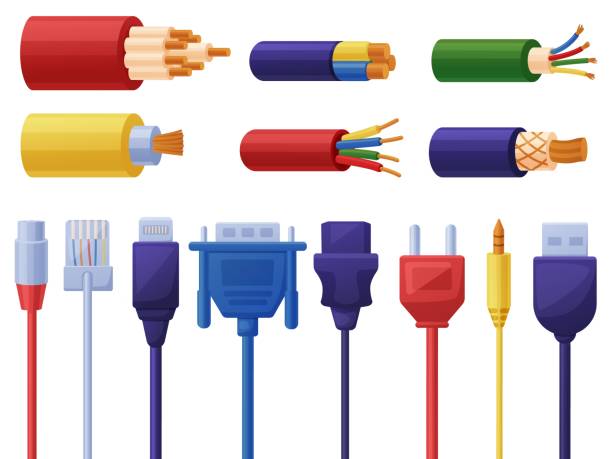
It should be noted that for cables with the same cross-sectional area of the conductor, due to differences in insulation layer thickness, sheath material and structure, the actual outer diameter may vary by 1 – 3 mm. When choosing the label, the measured outer diameter should be relied upon, rather than merely referring to the nominal value of the wire diameter.
Specification for Label Size
The core size parameters of the label include:
- Label height: This is the dimension along the axial direction of the cable, determining the number of printable text lines.
- Label length: This is the circumference in the winding direction, which needs to cover the outer diameter of the cable and leave an overlap margin.
- Number of winding loops: For self-winding labels, at least 1.5–2 loops are usually required to ensure the bonding strength.
- Overlap ratio: The overlapping part is usually no less than 30% of the total length of the label to prevent detachment.
Material and environmental requirements
The requirements for label materials vary significantly depending on the usage scenarios:
- Indoor cryogenic control cabinets: Polyester (PET) or ethylene materials are sufficient and offer high cost-effectiveness. Outdoor or high-temperature environments: Polyolefin, nylon (PA), or metal materials are required, with a temperature resistance range of -40°C to +135°C or higher.
- Chemical corrosive environments: Solvent-resistant polyester or stainless steel materials are recommended; avoid using ordinary PVC.
- High-vibration environments (e.g., motors, pumps): Heat shrink tubing labels or stainless steel nameplates are preferred due to their physical locking mechanism rather than simple adhesive.
- Explosion-proof areas: ATEX or IECEx standards must be followed, and certified materials must be selected.
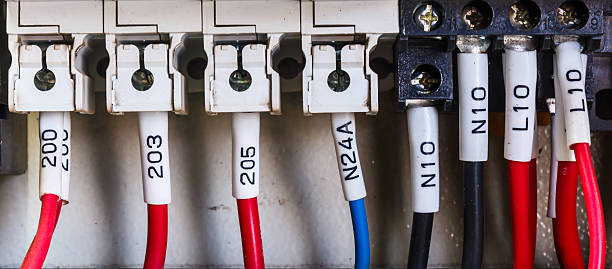
Fine Wire (≤ 1.5 mm² / AWG 18 and below) Recommended Label
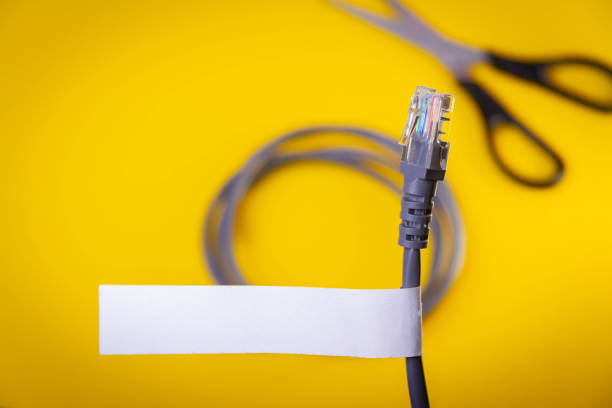
The common types of thin wires include network cables (Cat5/Cat6), fiber optic patch cords, and internal wires of electronic devices. They have the characteristics of being soft, small in size, densely wired, and prone to bending. They are mainly used in scenarios such as control signal transmission, instrument wiring, and lighting wiring. Due to their small diameter and dense wiring, the selection of labels must be based on the core principles of small size, easy installation, and no interference with adjacent cables.
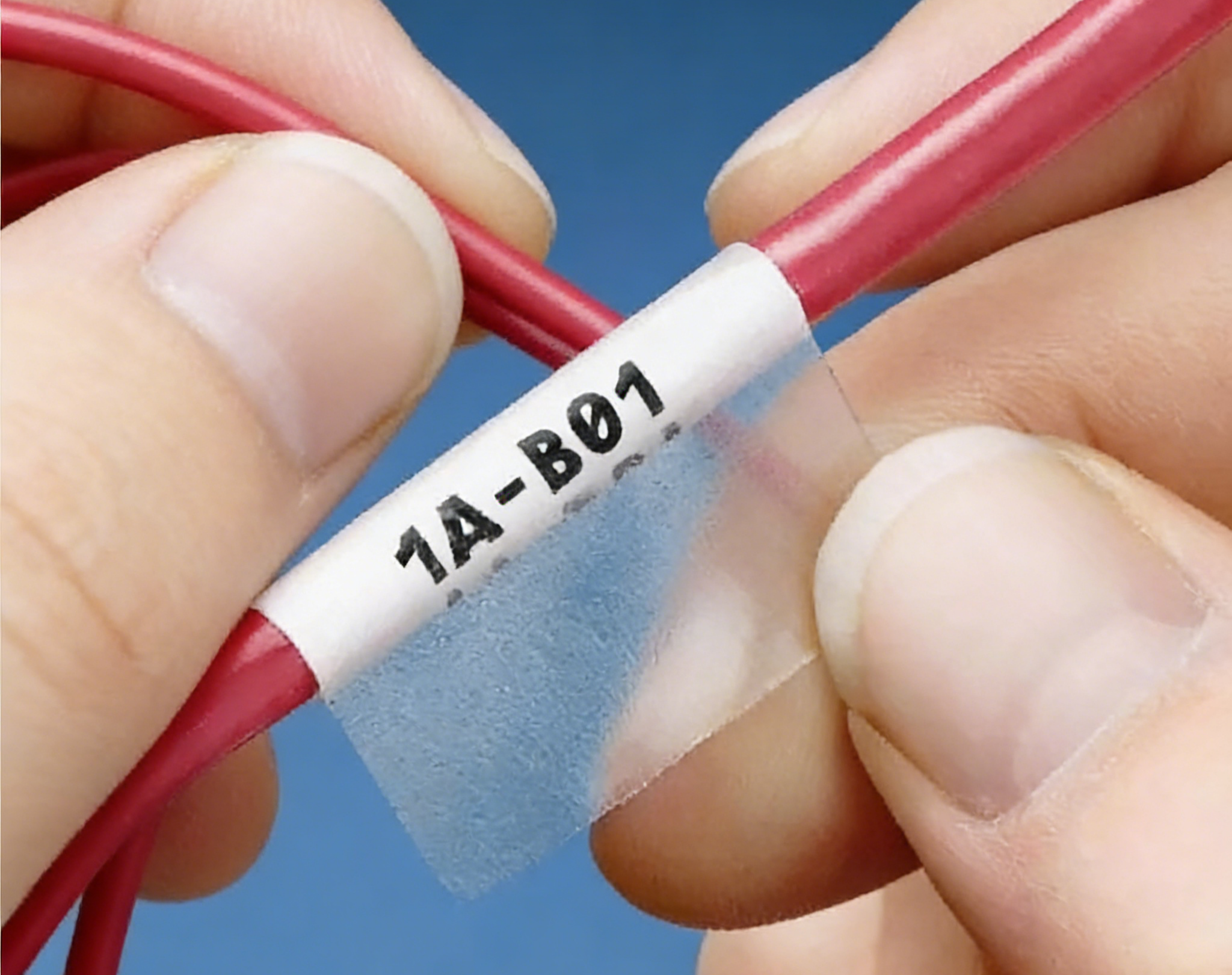
Recommended label types
- Flag-shaped label: A classic solution specifically designed for thin wires. Its structural feature is that one end of the label is attached to the wire, and the other end is folded outward to form a small flag, with the text printed on the exposed flag surface.
- Heat shrink tube sleeve label: The wire is inserted into a pre-printed heat shrink tube, and after heating, the tube shrinks and tightly adheres to the surface of the wire. This method has the best physical locking effect and the label cannot be easily moved or detached.
- Self-wrapping label: This is the most common label form in current control cabinet wiring. The label has a back adhesive, and after printing the text, it is wound around the outer diameter of the wire, and the tail end is self-adhered for fixation.
Comparison of Fine Line Labels
| Label types | Applicable outer diameter | Material | Printing method | Temperature range | Applicable Scenarios |
| Flag-shaped label | 1–4 mm | Polyester/Nylon | Heat transfer / laser | -40~+110°C | Wiring panels and instrument cabinets |
| Heat shrink tube label | 1–6 mm | Polyolefin | Heat shrink after heat transfer printing | -55~+135°C | High temperature and vibration environments |
| Self-wrapping label | 1.5–4 mm | Ethylene/Polyester | Heat transfer / inkjet | -40~+105°C | Control cabinets and PLC wiring |
Coarse Cable (≥ 6 mm² / AWG 10 and above) Recommended Label
Thick cables are mostly used for power trunk lines, main power supply for industrial equipment, and wiring in distribution rooms. Their outer diameter is usually 7 mm or more, and some trunk cables can reach 60 mm or more. In these scenarios, the requirements for label fixing strength, weather resistance, and durable readability are much higher than for thin cables.
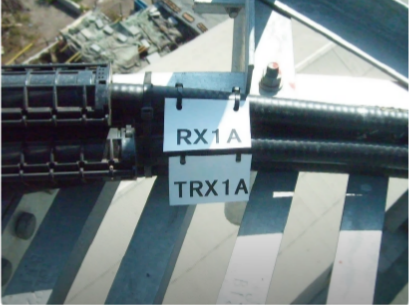
Recommended Label Types
- Cable Tie Labels: Cable tie labels are secured to cables by threading nylon or metal cable ties through pre-drilled holes in the label. This is the most common thick cable identification solution in the power industry and data centers.
- Large-Size Self-Wrapping Labels: For medium-sized cables with an outer diameter ranging from 12–35 mm, self-wrapping labels specifically designed for larger outer diameters can be used. The principle is the same as for thin-wire self-wrapping labels, but they are larger and have stronger adhesive.
- Heat Shrink Tubing Solution: For outdoor, underground direct burial, or long-term immersion scenarios (such as municipal power distribution and marine engineering), double-wall heat shrink tubing is the most reliable identification solution. The inner hot-melt adhesive fuses with the cable sheath when heated, forming a sealed, waterproof structure with a protection level of up to IP68.
Comparison of Thick Cable Label Selection
| Tag type | Applicable outer diameter | Material | Fixing method | Applicable Scenarios |
| Cable tie type tags | 10–60 mm | Polyamide/Stainless Steel | Cable ties through holes for securing | Cable distribution room and cable tray installation |
| Large size self-winding | 12–35 mm | Ethylene/Polyester | Self-adhesive wrapping | Factory equipment cables |
| Heat shrink tubing combination | 8–30 mm | Double Wall Heat Shrink Tubing | Heat shrink wrapping | Outdoor and underground cables |
Quickly Match Recommended Labels by Wire Diameter
| wire diameter (mm²) | outer diameter (mm) | Recommended tags | Fixing method | Remark |
| 0.2–0.5 | 1.0–2.0 | Flag-shaped label / Number tube | Self-adhesive / Insertion | Dense wiring is the first choice |
| 0.75–1.5 | 2.0–4.0 | Self-wrapping label / Heat shrink tube | Wrapping / Heat shrink | For high-temperature resistance, choose heat shrink tubing |
| 2.5–4 | 4.0–7.0 | Large self-wrapping / Flag shape | Wrapping / Self-adhesive | Pay attention to matching the outer diameter with the specification |
| 6–16 | 7.0–14.0 | Lanyard-style sign plate / Large wrapping | Lashing strap / Wrapping | For industrial scenarios, prioritize labeling |
| 25–95 | 14.0–35.0 | Lanyard sign plate / Stainless steel sign plate | Lashing strap / Steel wire | For outdoor/chemical environments, choose stainless steel |
Besides wire diameter, 3 key considerations
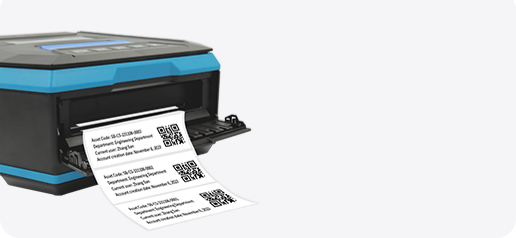
Many people only focus on the wire diameter, but for truly professional choices, the following factors should also be considered:
1. Usage environment
Indoor vs Outdoor
High temperature / Humidity / Oil stains
2. Usage period
Temporary labels (during construction phase)
Permanent labels (during operation and maintenance phase)
3. Information complexity
Simple numbering
Complex coding / QR code
Recommended Solution: How to Quickly Achieve Standardized Labeling?
In actual engineering projects, many teams, even though they know which type of labels to use, still encounter these problems:
- Inconsistent label format
- Confused naming rules
- Handwritten labels are not standardized and prone to errors
- Low efficiency in batch labeling
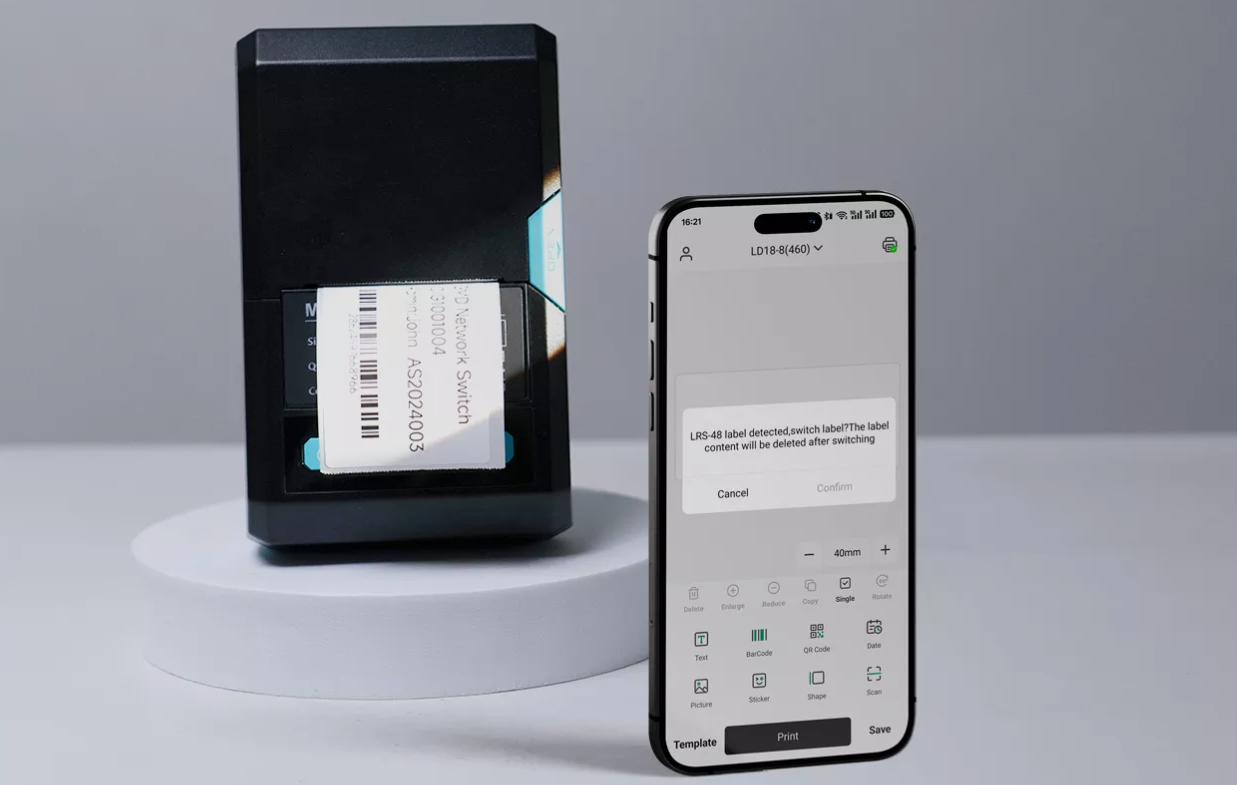
To truly achieve a standardized, maintainable and scalable cable management system, the key lies not merely in “choosing the right labels”, but in establishing a complete label printing solution.
A one-step solution: Use professional label printing equipment
Take the MakeID M200D industrial-grade label printer as an example. This type of equipment is specifically designed for power, communication and industrial scenarios, and can help you quickly establish a standardized identification system. It supports various label consumables, including flag labels, wrap labels, tag labels, and industrial-grade PET labels. It can cover all scenarios of identification from thin wires to thick cables.