
Why Print Quality Matters?The Cost of Poor Label Printers
Just picture a technician wasted three hours diagnosing a fiber optic fault and then finding out the whole thing was due to a label on a cable that could not be read. The telecom industry is one where networks depend on very accurate identification of cables, cabinets, and equipment, so bad label print quality is more than a minor inconvenience. It causes maintenance disruptions, slows down project delivery, and makes companies prone to sanctions due to non-compliance and safety risks. It doesn’t matter if it is 5G base stations or data center cabling, clear and long-lasting labels are a must. Therefore, it is very important that the right label solutions are chosen to keep your business running smooth and your profits safe.
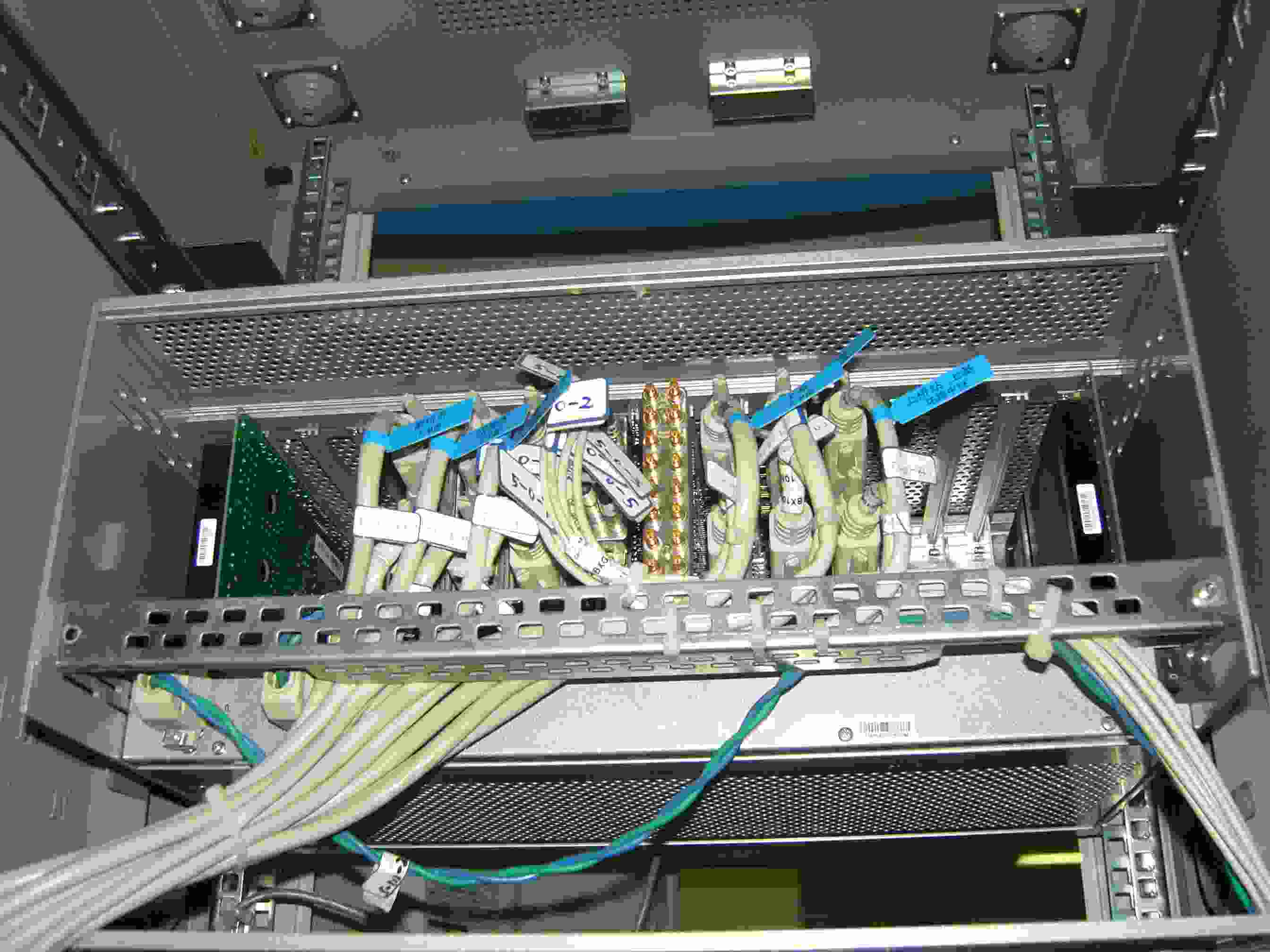
The Real Cost of Bad Label Print Quality in Telecom
Poor quality labels are not merely a problem of inconvenience—it actually leads to considerable financial losses, operational delays, and damage to the reputation of telecom companies as well.
Delay in Maintenance and Loss of Downtime
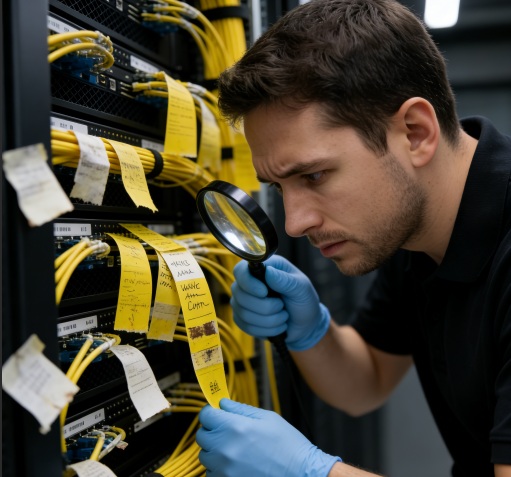
Techs, as per industry standards, spend 2–5 hours per fault locating cables or equipment due to unreadable labels—faded barcodes, smudged text, or peeling adhesive—wasting time. For essential services like 5G base stations, even one hour of unplanned downtime can hurt $10,000–$50,000 in service revenue. In a year, a mid-sized telecom team may lose hundreds of labor hours and tens of thousands in revenue on account of label-related inefficiencies.
Compliance and Safety Risks
Telecom companies must put durable, readable labels on every component of their network as per the regulations. The use of poor-quality labels brings about failed inspections, which result in heavy fines for non-compliance. In the most severe situations, companies may have to incur very expensive project reworking, for instance, the re-labeling of a large number of cables in data centers might take a lot of time and that would be an unexpected delay. Besides, there are also serious hazards related to mislabeling of power cables and fiber optic lines, like unintentional cuts that may lead to service interruptions or electric shocks which might cause injuries, resulting in claims and damage to the equipment.
Material and Labor Waste
Cheap printers have thermal labels that are barely visible and need to be reprinted every 3–6 months for readability. A medium-sized telecom team, on average, spends over $3,000 per year on labels and ribbons that are not utilized, and this also involves 100 hours or more of labor just for re-labeling components. This process of waste not only adds to the operational cost but also takes away resources from the primary tasks such as upgrading the network or supporting the customers.
What Factors are Behind Telecom Label Printer Quality Issues?
Telecommunications facilities with their diverse range like outdoor cabinets, wet cable trenches, and high-temperature data centers, naturally create different kinds of problems for label printers. Below are the main factors causing poor print quality:
Inability to Adapt to Rough Environments
Most inexpensive thermal printers are not for the hard life of telecom sites but for home use. Labels in UV light fade, in moisture they get smudged, and in extreme heat (usually the range is -20 °C to 60 °C of outdoor infrastructure) they get peeled off eventually becoming unreadable in months.
Lower DPI and Incompatible Consumables
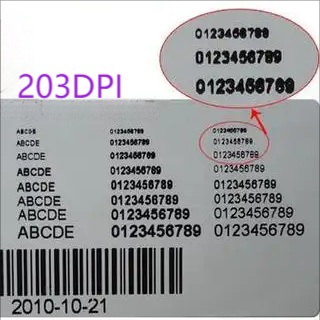
DPI that is less than 200 makes micro-text (like cable IDs, serial numbers, etc.) blurry and barcodes unscannable. Using non-matching labels and ribbons causes streaks, smudges, or premature fading, thus quality is further compromised, such as low-grade carbon tape with thermal labels.
Disadvantaged Mobility and Battery Duration
Telecom activities very often need on-the-spot printing, such as tower hikes or basement cable runs. Hefty printers (over 1kg) or short battery duration (under 4 hours) pushes the techs to either have extra gear or return to the office, this all will take good time and the project will be delayed.
Telecom-Specific Features Not Present
Most of the consumer printers won’t recognize the flag labels (for fiber optic cables) or batch printing (for 100+ cables at once), thus resulting in wastage of time. Manual cutters also make it possible that the labels be torn, thus again necessitating reprints, which causes not only waste but also the high cost of the labels.
How MakeID Label Printers Solve Telecom’s Print Quality Woes?
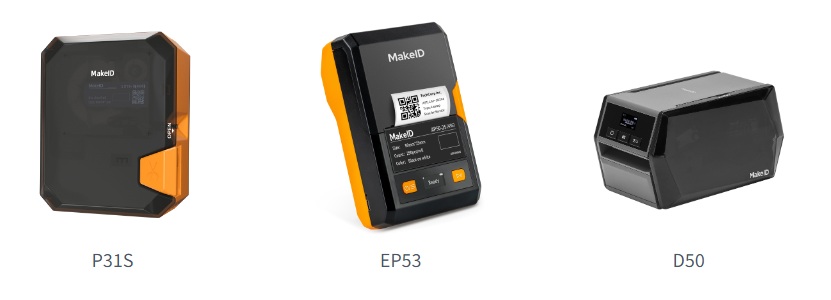
MakeID’s P31S, D50, and EP53 are suitable for the needs of the telecom industry, with the aspects of durability, precision, and industry-specific functionalities all incorporated to totally eradicate the quality concerns.
Key Specifications for Telecom Use Cases
| Model | Printing Method | Resolution | Battery Life | Durability Features | Ideal Use Case |
| P31S | Thermal Transfer | 300 DPI | 2000mAh | Compact easy portability | On-site tasks (tower/cable labeling, field maintenance) |
| D50 | Thermal Transfer | 300 DPI | 2600mAh | 50mm effective print width, durable thermal transfer labels | Physical Asset Management, Warning Labels,batch printing |
| EP53 | Thermal Transfer | 300 DPI | 2600mAh | dust/water resistance, reinforced design, -5°C to +40°C working temperature | Harsh environments (cable trenches, data centers, outdoor cabinets) |
Durability for Telecom’s Environments
- P31S: 300 DPI thermal transfer printing, 580g compact design (fits tool belts), and 2000mAh battery (3000+ labels) suit on-site technicians.
- D50: Thermal transfer labels resist UV/humidity/oil (5+ years’ readability), 2600mAh all-day battery, and 50mm width for large IDs/batch labels.
- EP53: Dust/water-resistant, reinforced build (-5°C to +40°C operation), 300 DPI, 30mm/s speed (100+ labels/hour) for harsh sites.
Telecom-Specific Functionality
- P31S: Supports telecom labeling (wires/DataCom/electrical), Bluetooth+USB, mobile App templates, 3-second consumable swaps.
- D50: Automatic cutter, flag labels (fiber optics), dual connectivity, 50mm width for detailed tracking.
- EP53: Telecom-focused (wires/assets/safety), flag/T/PET labels, cross-platform compatibility, Excel batch imports, 0.96-inch OLED.
The Bottom Line
In telecom, poor label print quality isn’t a “small cost”—it’s a threat to service reliability, compliance, and safety. Wasted labor, downtime losses, fines, and safety hazards accumulate to substantial expenses yearly for companies using subpar printers. MakeID’s label printers are strategic investments that reduce downtime, eliminate compliance fines, and cut down on waste significantly.