
How To Label Electrical Panel?
Electrical panel labels is an integral component of safety, compliance and efficiency in any building–whether residential, commercial or industrial. Without clearly labeled circuits during emergencies or maintenance activities, finding circuits is more hazardous and time-consuming resulting in possible accidents or costly downtime. In this article we cover everything you need to know about electrical panel labels including why it matters, key components, methods and a step-by-step process as well as making this task simpler with MakeID portable label printers that deliver professional, long-lasting results.
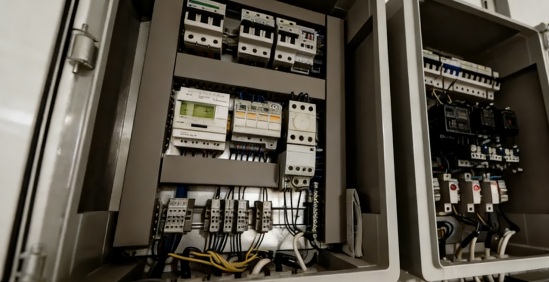
What Is Electrical Panel Labeling?
Electrical panel labeling refers to the process of labeling electrical circuit breakers, circuits and their respective devices with easily-read labels for labeling purposes. Electrical panel labels usually include circuit numbers, intended uses (e.g. “Living Room Outlets”), amperage ratings and safety warnings for each panel. Professional labels printed using MakeID’s portable label printers offer more clarity and durability than their handwritten counterparts. MakeID label printers are designed for versatile situations ranging from home panels to industrial setups, making sure labels remain legible over time. Compatible with power, telecom and healthcare industries makes these label printers a go-to choice among professionals.
Key Components of Electrical Panel Labels
Effective electrical panel labels require four key elements in order to meet safety standards and practical needs:
- Safety Warnings: Indicate high voltage circuits by adding note such as “High Voltage.”
- Circuit Number: (e.g. #1 and #2) following industry-standard left-to-right and top-to-bottom ordering is one such essential element.
- Circuit Purpose: Provide a detailed account of what purpose the circuit serves (for instance “Master Bedroom Lights” or “Warehouse Compressor”).
- Amperage Rating: Indicate how much current can flow at once through this circuit (15A, 20A etc), to prevent overloads.
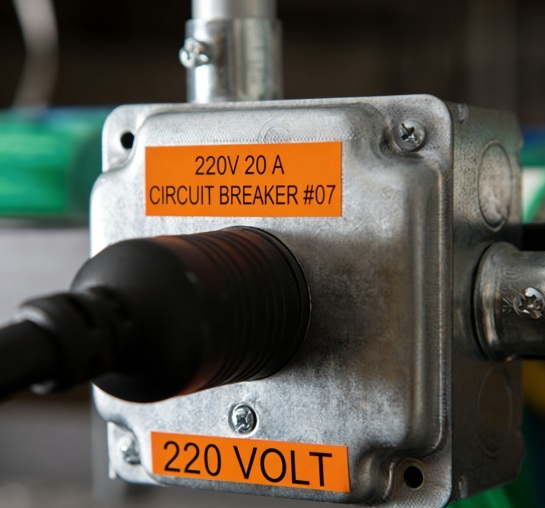
MakeID label printers excel here: they support custom label templates that allow for one-click printing of components preloaded onto them for effortless operation. Advanced models, like the M400A, even enable QR codes linked to maintenance records – perfect for commercial or industrial panels! All labels meet electrical code compliance without additional effort needed from you.
Why Electrical Panel Labels Matters?
Proper electrical panel labeling should never be compromised for three key reasons.
- Safety First: In emergencies such as short circuits or fires, clear labels enable quick disconnection of circuits prone to electric shock or fire risks and speed response time by responding promptly whereas faded handwritten labels may delay responses, potentially endangering lives.
- Compliance: Electrical codes such as the National Electric Code in the US or China’s National Standard have mandated clear, durable labeling requirements; failure to do so can result in fines or failed inspections and can have severe financial repercussions.
- Efficiency & Cost Savings: Maintenance or renovation projects become faster–no need to test every breaker manually before finding the right one, saving hours of labor hours – something MakeID clients like SINOPEC and major hospitals appreciate greatly.
Electrical Panel Labels Methods Comparison
Three common methods exist, with MakeID’s labels offering the best balance of quality and efficiency:
| Method | Advantages | Disadvantages | Ideal For |
| Handwritten Labels | Low cost, immediate use | Fades easily, unprofessional, non-compliant | Temporary emergencies only |
| Preprinted Labels | Standardized format | Inflexible, can’t customize for unique circuits | Simple residential panels |
| MakeID Labels | Customizable, durable, efficient, compliant | Minimal upfront investment | Residential, commercial, industrial use |
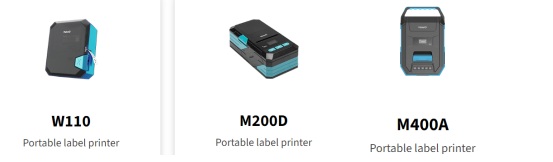
MakeID provides various models to meet your needs: the compact and user-friendly W110 for home users, the M200D for industrial environments with its weatherproof and corrosion-resistant characteristics, and the M400A for huge projects with its batch printing and QR code capability. All of them use particular consumables such as high-adhesion and heat-resistant label paper.
Step-By-Step Electrical Panel Labeling Process
1. Preparation
To start off right, prioritize safety: switch off all main power and use a voltage tester to ensure no electricity flows. Gather supplies: MakeID label printer (stocked with compatible label paper), pen and paper and a voltage tester. Sketch out the layout of your panel in order to map circuits, noting where breaker positions correspond with areas or devices; preload MakeID with circuit numbers, purposes and amperage for faster printing.
2. Circuit Mapping
Work systematically by numbering breakers from top-left to bottom-right, then with your partner turn one breaker at a time to identify which lights, outlets or equipment it controls before marking this information on your sketch and using MakeID Label Printer’s label maker to print labels for each circuit (e.g. “#4 – Kitchen Refrigerator – 20A”).
3. Label Printing and Application
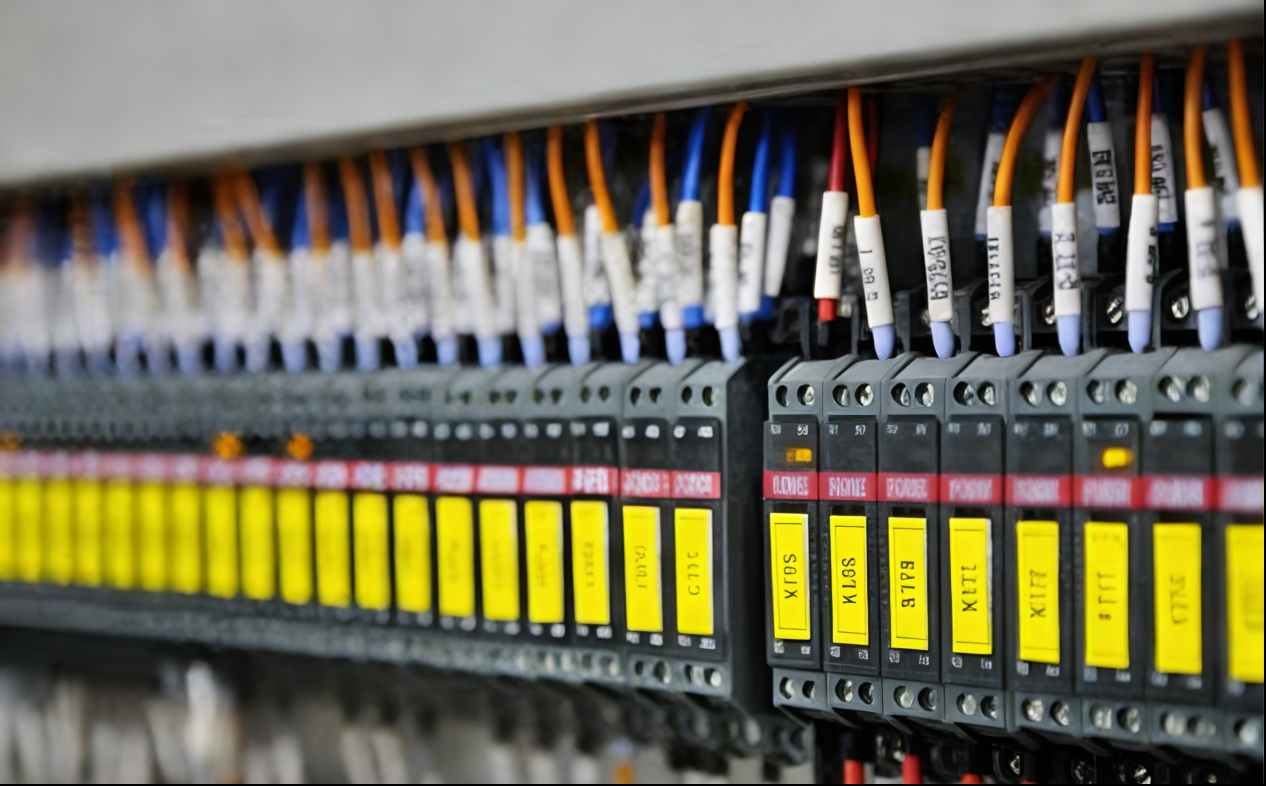
Customize labels using MakeID’s user-friendly controls: select an easily legible font and size (25mm width is standard). Print labels out, apply them directly onto breaker switches or panel doors without covering moving parts, then create an index label containing all circuits – perfect for quick reference! Use MakeID’s printer for creating master index labels listing each circuit before attaching this master index label inside the panel door as quick reference.
4. Final Steps
Reconnect the main power and verify each label matches its circuit, testing some breakers to check accuracy. Lastly, wipe labels down with damp cloth to test MakeID’s waterproof design to ensure long-term readability and long-term reading ability.
Electrical panel labeling is an essential task that safeguards safety, ensures compliance, and increases efficiency. While traditional methods fall short, MakeID’s portable label printers – trusted by top industries such as power, telecom and healthcare–deliver professional and durable results quickly. Homeowners or professional electricians alike can find models and consumables from MakeID to fit their specific needs; invest in the right tool now for safe labeling that adheres to regulations–your safety and productivity depend on it!