
Common Types of Laboratory Labels and Their Uses
In the daily operation of the laboratory, labels are an indispensable basic management tool. They run through various aspects such as sample storage, equipment management, safety control, and experimental process management, directly affecting the accuracy of experimental data, the safety of experimental operations, and the standardization level of laboratory management.
Whether it is a biological laboratory, a chemical laboratory, or a third-party testing laboratory, standardized label management is an important foundation for reducing operational risks, improving work efficiency, and meeting industry standards such as GMP and ISO. This article will focus on introducing the common types of labels in the laboratory, their specific uses, and the key points of label design and production, providing a reference for establishing a standardized label management system in the laboratory.
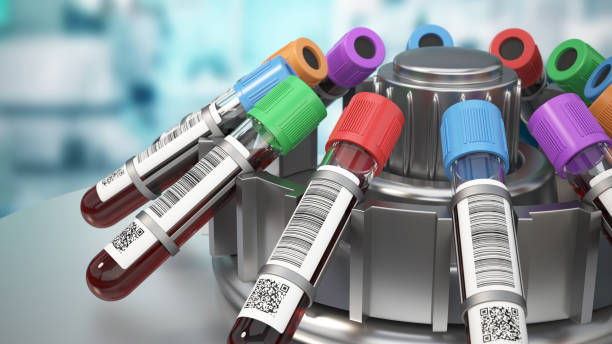
Main Types And Applications of Laboratory Labels
The types of laboratory labels are diverse. Different types of labels are suitable for different management scenarios and perform different functions. Based on the actual management needs of the laboratory, the following 6 types of laboratory labels are the most common and are also the core components of laboratory management.
Sample Labels
Sample labels are the most basic and frequently used type of labels in the laboratory, and they are mainly used to identify various experimental materials, such as:
- Reagent
- Solution
- Standard sample
- Experimental samples
- Culture medium
It is an important tool for distinguishing different experimental materials and achieving sample traceability management.
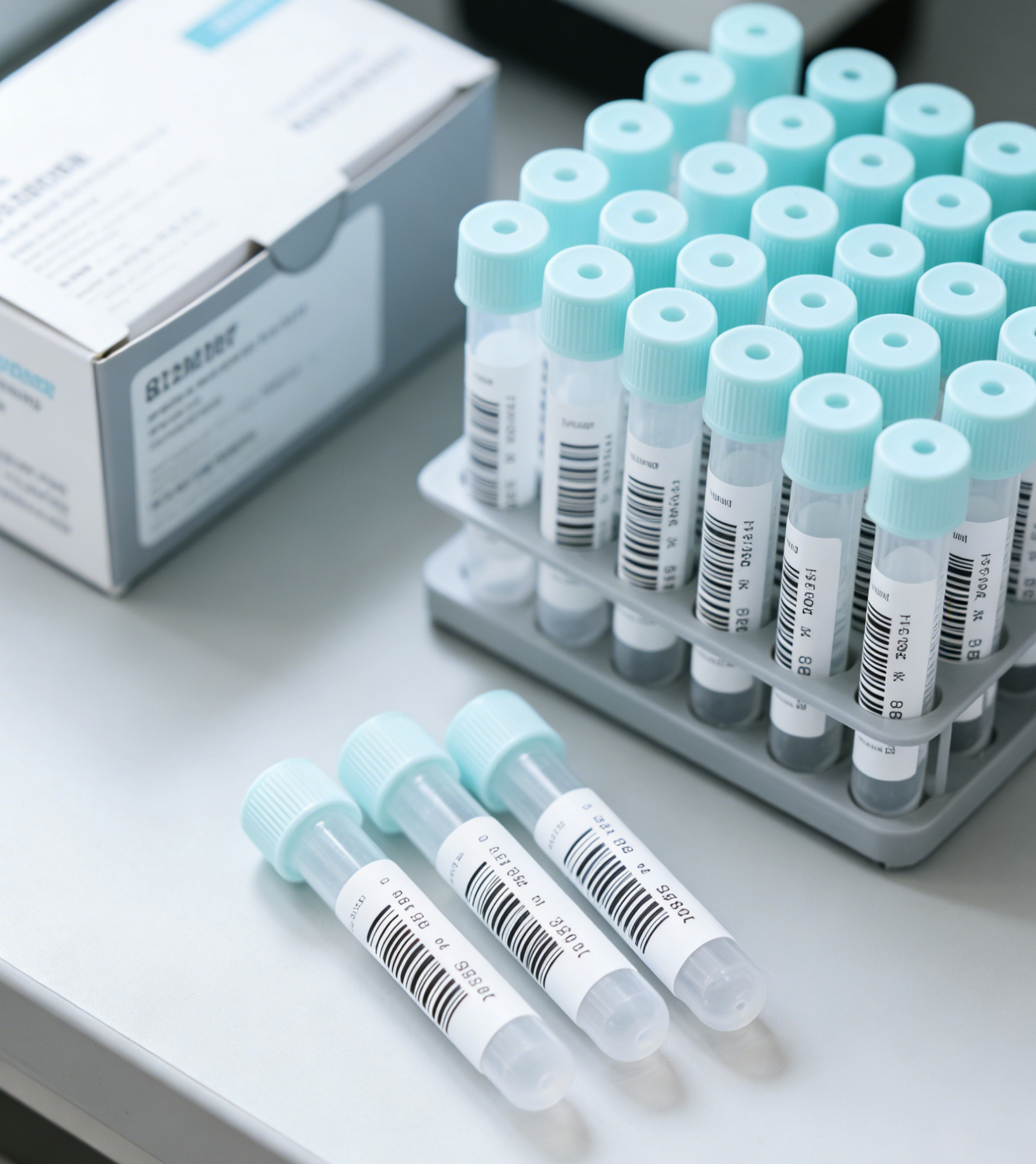
A standard sample label usually needs to include key information such as the sample name, preparation date, batch number, operator, storage conditions, and expiration date. The core function of the sample label is to prevent material confusion and misuse. During experiments where multiple samples are processed simultaneously or when preparing reagents in batches, clear labels can help operators quickly identify different materials, thereby reducing human operational errors.
Furthermore, the complete label information can also enable the entire process traceability of the experimental materials. When abnormal results occur in the experiments, the label information can be used to trace the sample source, preparation records, and storage conditions, making it easier to identify and solve the problems.
Equipment Labels
Experimental equipment and instruments are the essential foundation for conducting experiments, and equipment labels are important tools for equipment management and maintenance.
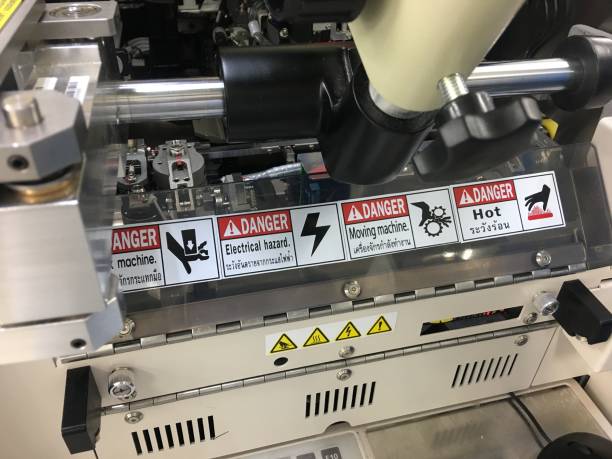
Common laboratory equipment labels are typically used for:
Balance scale
- Centrifuge
- Incubator Refrigerator
- PCR instrument
- Various testing equipment
Through clear device labels, laboratory managers can quickly understand the calibration status, maintenance situation and operation status of the equipment, thereby promptly arranging calibration and maintenance work.
Safety Labels
The laboratory contains various hazardous materials (such as flammable, corrosive, and toxic reagents) and dangerous equipment (such as high-temperature and high-pressure equipment). Safety warning labels are an important tool for risk prevention and control in the laboratory, which can clearly indicate potential dangers and remind operators to take the correct protective measures.
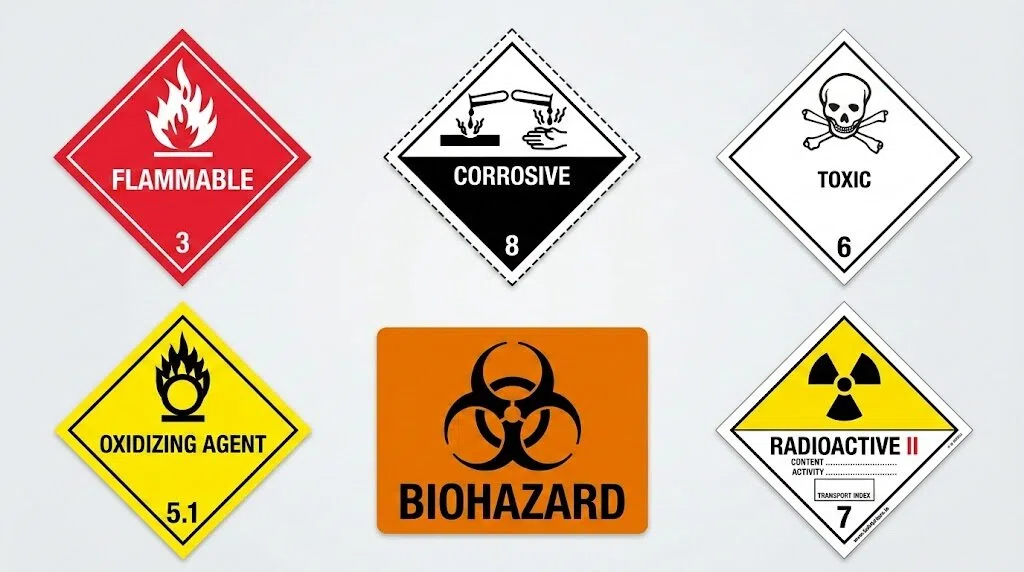
Common safety warning labels include:
- Flammable label
- Corrosive label
- Toxic substance label
- Oxidizing agent label
- Biological hazard label
- Radioactive label
These labels usually adopt international standard warning icons to facilitate quick identification of the types of hazards.
The main function of safety warning labels is to alert potential dangers, guide correct operations, remind of wearing protective equipment, and prevent safety accidents from occurring.
Reasonable use of safety labels can effectively reduce the risk of laboratory accidents and protect the personal safety of laboratory personnel.
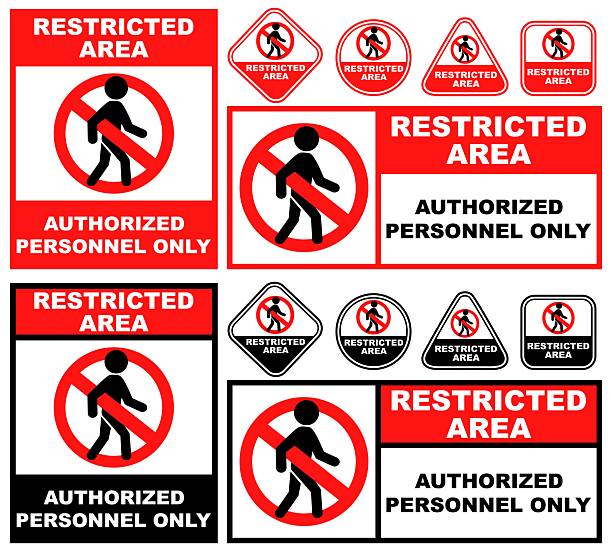
Area Labels
Laboratories usually divide different areas based on their functions. Environmental or area labels are used to clearly define the functions of each area, thereby regulating the behavior of personnel and reducing the risk of cross-contamination.
The main functions of these labels include:
- Clarifying the functions of the experimental areas
- Standardizing the experimental operation procedures
- Preventing the mixing of areas
- Increasing the efficiency of experiments
Clear area labels can help laboratory personnel quickly locate the corresponding operation areas, thereby improving the overall work efficiency.
Traceability Labels
With the development of digital management in laboratories, traceability labels have become increasingly important in laboratory management. Their common forms include barcode labels, QR code labels, and unique number labels, and are widely used in scenarios such as sample entry and exit, equipment inventory, and full-chain traceability of experimental processes.
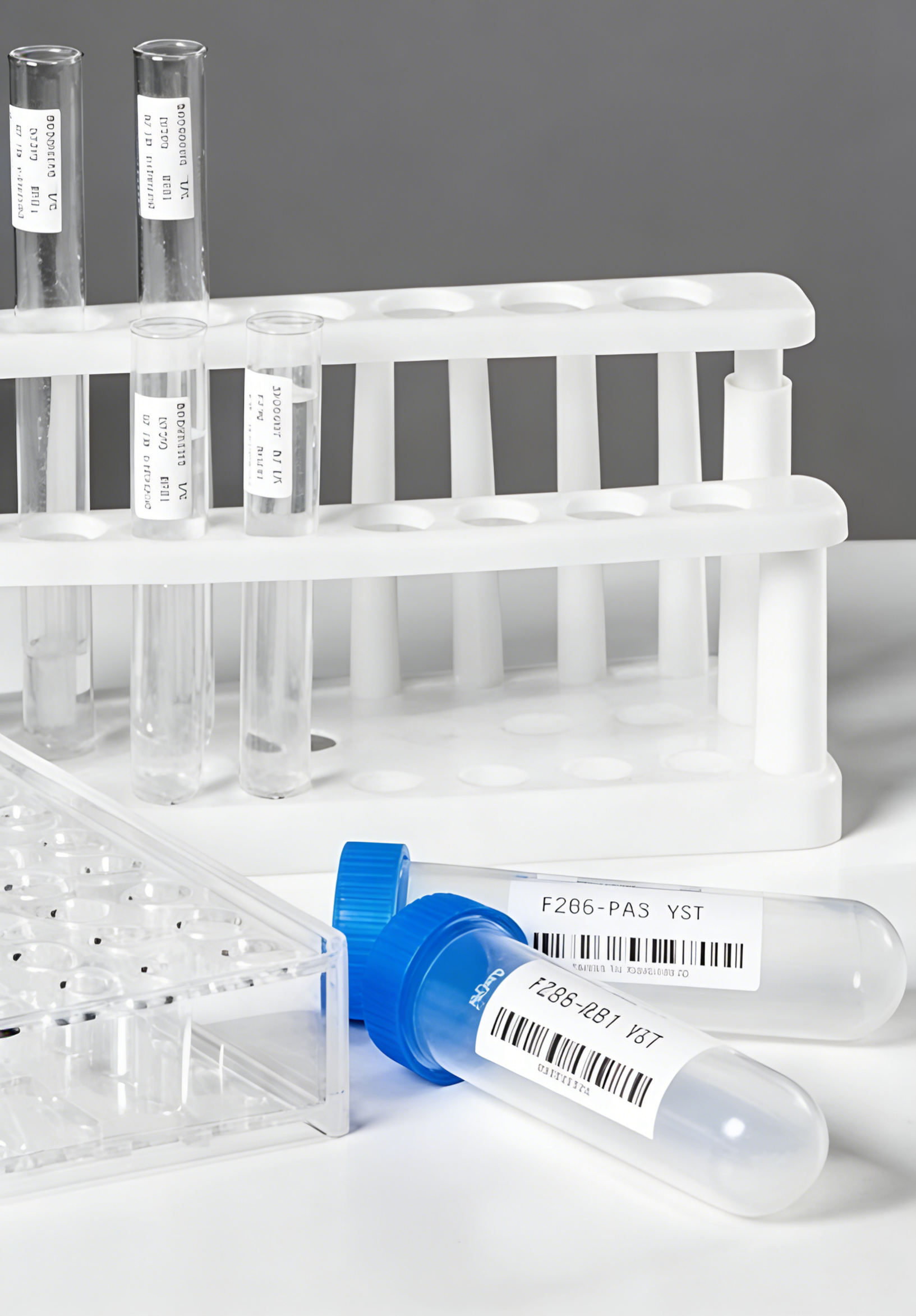
By scanning the labels, staff can quickly obtain detailed information about samples or equipment, such as:
- Sample source
- Preparation record
- Storage conditions
- Equipment Maintenance Record
The traceability labels can usually be integrated with LIMS (Laboratory Information Management System) to achieve digital management of the experimental process, significantly improving management efficiency.
Special Environment Labels
Some laboratory settings present extreme environments where standard labels are prone to detachment, blurring, or damage, rendering them ineffective. Therefore, special labels adapted for these extreme environments are required.
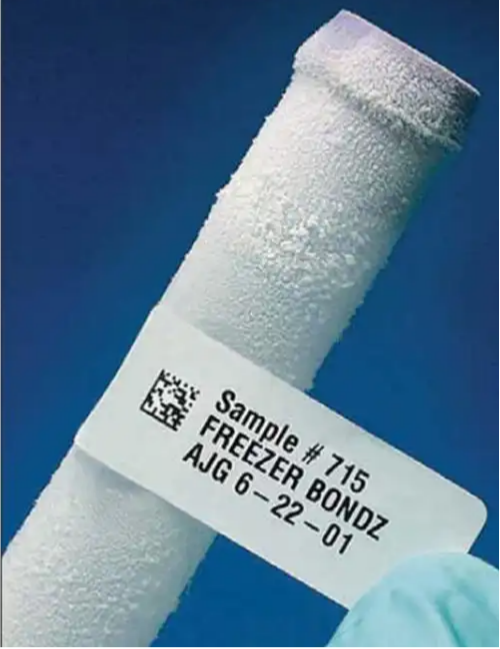
Common types include:
- Low Temperature Label
Suitable for storage environments of -20℃, -80℃ or liquid nitrogen, commonly used for low temperature sample storage. - High Temperature Resistant Label
Can withstand temperatures above 121℃, suitable for sterilizers or ovens and other similar equipment. - Chemical-resistant labels
These labels are resistant to acids, alkalis, and solvents, making them suitable for chemical reagent environments.
These labels ensure they remain clear, secure, and do not peel off even in extreme environments.
Key Points for Laboratory Label Design and Production
The standardized design and production of laboratory labels are the foundation for ensuring the effectiveness of the labels. If the label information is not standardized, the material selection is inappropriate, or the production process is not standard, it may lead to problems such as the inability of the labels to clearly convey information, easy damage, and detachment, thereby affecting the management effect of the laboratory.
Information Design Principles
The design of label information should follow the following three principles:
- Simplicity
Highlight the core information and avoid redundant content. - Accuracy
Ensure that the information is unambiguous and the key parameters are accurate. - Compliance
Compliant with industry standards such as GMP and ISO, for instance, warning labels should conform to national safety marking standards.
Principles for Material Selection
The label materials need to be selected based on the usage environment to ensure that the labels remain clear and stable throughout their entire lifespan.
Common material choices include:
- Low-temperature environment: Polyester material
- High-temperature environment: Polyimide material
- Chemical environment: Polypropylene material
- Ordinary environment: Paper or PVC material
Label production process
The production of laboratory labels usually follows a standard procedure:
Design stage
Determine the size, font and layout of the labels, and highlight the core information.
Printing stage
Ensure that the printing is clear and there are no omissions, and conduct quality checks.
Management during use stage
Establish a label requisition registration system. Apply for labels as needed to avoid waste and properly store the label materials.
Recommended Laboratory Label Printing Solutions
In laboratory environments, labels need to be highly clear, durable, and easy to use. To improve the efficiency of laboratory label management, many laboratories use professional label printing equipment to quickly generate sample labels, equipment labels, and traceability labels.
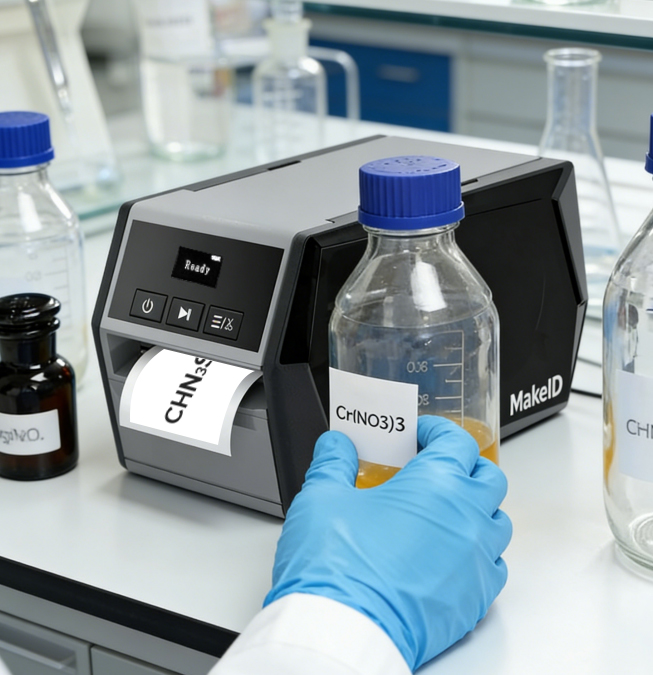
Compared to ordinary thermal printing methods, the MakeID D50 uses thermal transfer technology, resulting in labels that are more durable, less prone to fading, and can be used for a long time on laboratory equipment, sample containers, and asset labels.