Cable Labeling Solution: How to Organize Network Cables from Telecom Closet to Data Center
A professional cable labeling solution is more than simply printing a label and attaching it to a cable.
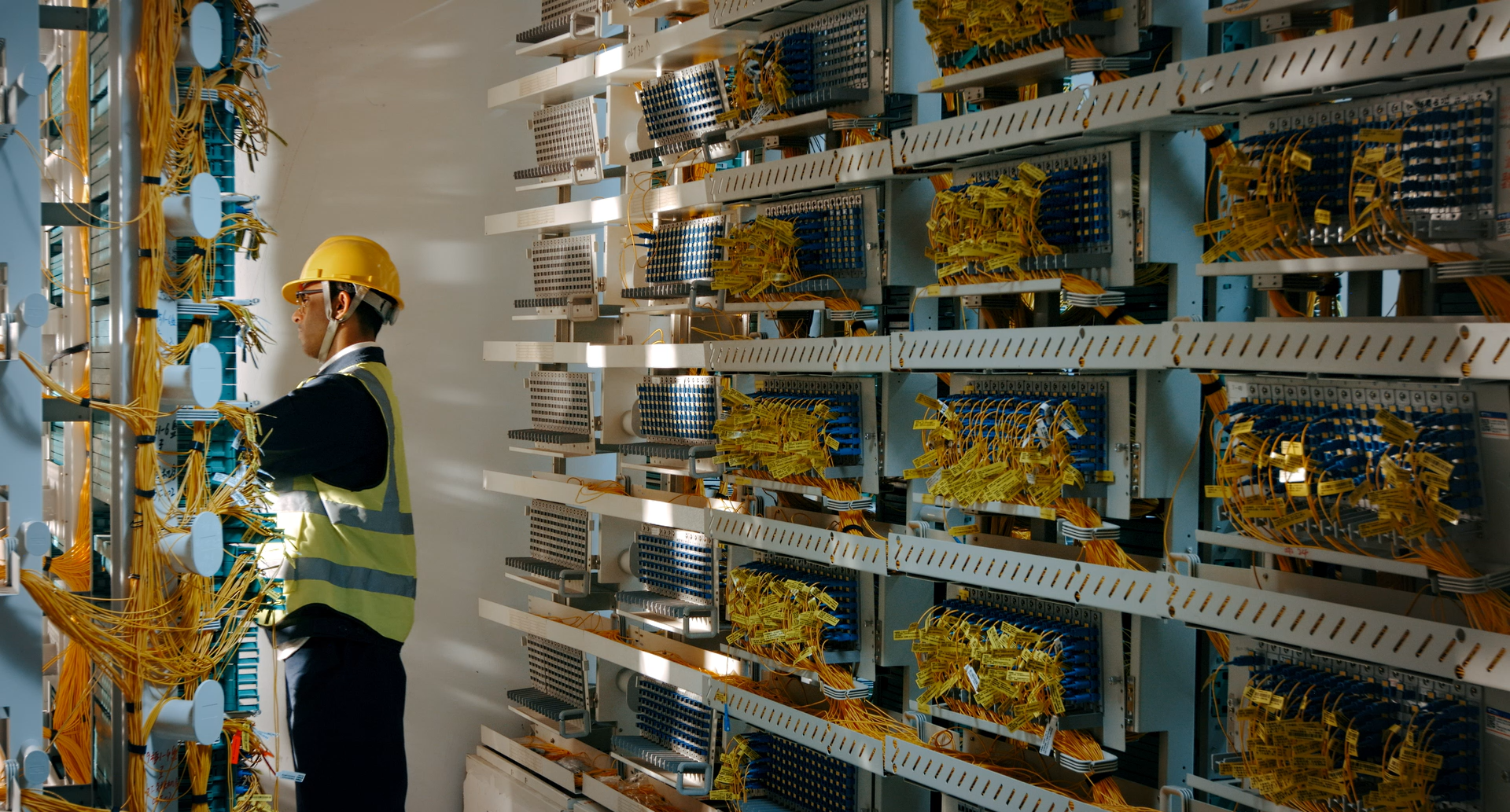
As network infrastructure continues to expand, telecom closets, server rooms, and data centers are becoming increasingly complex. Hundreds or even thousands of cables may connect switches, servers, patch panels, and other critical equipment.
Without a consistent cable identification system, troubleshooting becomes slower, maintenance becomes more difficult, and even a simple network change can create unnecessary risks.
A single misidentified fiber connection in a high-density data center rack can turn a five-minute maintenance task into an hour of tracing. If the wrong cable is disconnected, it may even cause unexpected downtime.
A complete cable labeling solution should provide clear identification from the telecom closet to the data center aisle.
Why Cable Labeling Matters in Modern IT Infrastructure
Modern networks depend on thousands of physical cable connections.
As infrastructure grows, cable management becomes increasingly challenging. Without proper network cable identification, teams may experience:
- Longer troubleshooting times
- Incorrect cable disconnections
- Difficult network upgrades
- Higher maintenance costs
- Inconsistent documentation
For IT engineers, network installers, and data center operators, every cable should have a clear identity.
A reliable cable labeling solution helps teams quickly answer:
- Where does this cable start?
- Where does it connect?
- Which rack or port does it belong to?
- What equipment is connected?
Proper cable identification reduces human error and improves maintenance efficiency.
The Four Layers of a Complete Cable Labeling Solution
A professional cable labeling system should cover every stage of network infrastructure.
From telecom closets to high-density data center racks, each environment requires the right labeling method.
1. Telecom Closet and Patch Panel Cable Labeling
The telecom closet is where network connections begin.
At the access layer, cables are frequently installed, moved, and replaced. Labels must remain readable while handling daily changes.
Common cable labeling methods include:
- Wrap-around labels
- Flag labels
- Self-laminating cable labels
These labels should provide:
- Clear identification
- Strong adhesion
- Long-term readability
- Easy viewing at arm’s length
For network technicians, efficiency is also important.
The MakeID M100C cable label printer provides a professional solution for creating accurate cable labels during installation and maintenance.
Instead of relying on handwritten markings or pre-made labels, technicians can quickly create consistent identification labels when needed.
Typical applications include:
- Patch panel labeling
- Network cable identification
- Switch port labeling
- Cable bundle management
2. Horizontal and Backbone Cable Identification
Long-distance cable runs require more permanent identification.
Backbone cables, riser cables, and structured cabling systems often remain in place for years. Their labels must continue to be readable throughout the entire service life.
For these applications, heat shrink wire labels are one of the most reliable solutions.
Heat shrink labels attach tightly around cables after heat is applied, creating a secure and durable identification method.
Advantages include:
- Reduced risk of edge lifting
- Strong resistance to movement
- Long-term readability
- Suitable for demanding environments
Heat shrink wire labels are commonly used for:
- Fiber optic cables
- Electrical wiring
- Control cables
- Industrial equipment connections
For infrastructure that requires permanent identification, durable cable labels are essential.
3. Data Center Cable Labeling
Data centers are among the most demanding environments for cable management.
A single rack may contain:
- Hundreds of network cables
- Fiber optic connections
- Patch panels
- Server connections
- Power cables
In this environment, organization and accuracy are critical.
A professional data center cable labeling solution should include:
- Unique cable identification
- Consistent naming standards
- Easy-to-scan labels
- Reliable long-term printing
The biggest challenge in data centers is cable density.
When hundreds or thousands of connections need to be identified, inconsistent labeling can quickly create confusion.
The MakeID M100C cable label printer helps IT teams create standardized labels for:
- Server racks
- Network switches
- Patch panels
- Fiber connections
- Infrastructure maintenance
By improving labeling consistency, teams can reduce troubleshooting time and improve overall network management.
4. Connecting Labels With Documentation Systems
A cable label is only useful when it matches the documentation behind it.
Many network issues occur because physical cable labels and digital records become inconsistent over time.
A simple naming system can prevent this problem.
For example:
Location - Rack - Unit - Port

DC01-R05-U24-P12
This format immediately identifies:
- Data center location
- Rack number
- Equipment position
- Port information
A complete cable labeling solution should connect:
Physical Label → Documentation System → Network Records
When labels and records stay synchronized, technicians can quickly locate connections and complete maintenance tasks more efficiently.
Why Choose MakeID M100C for Cable Labeling
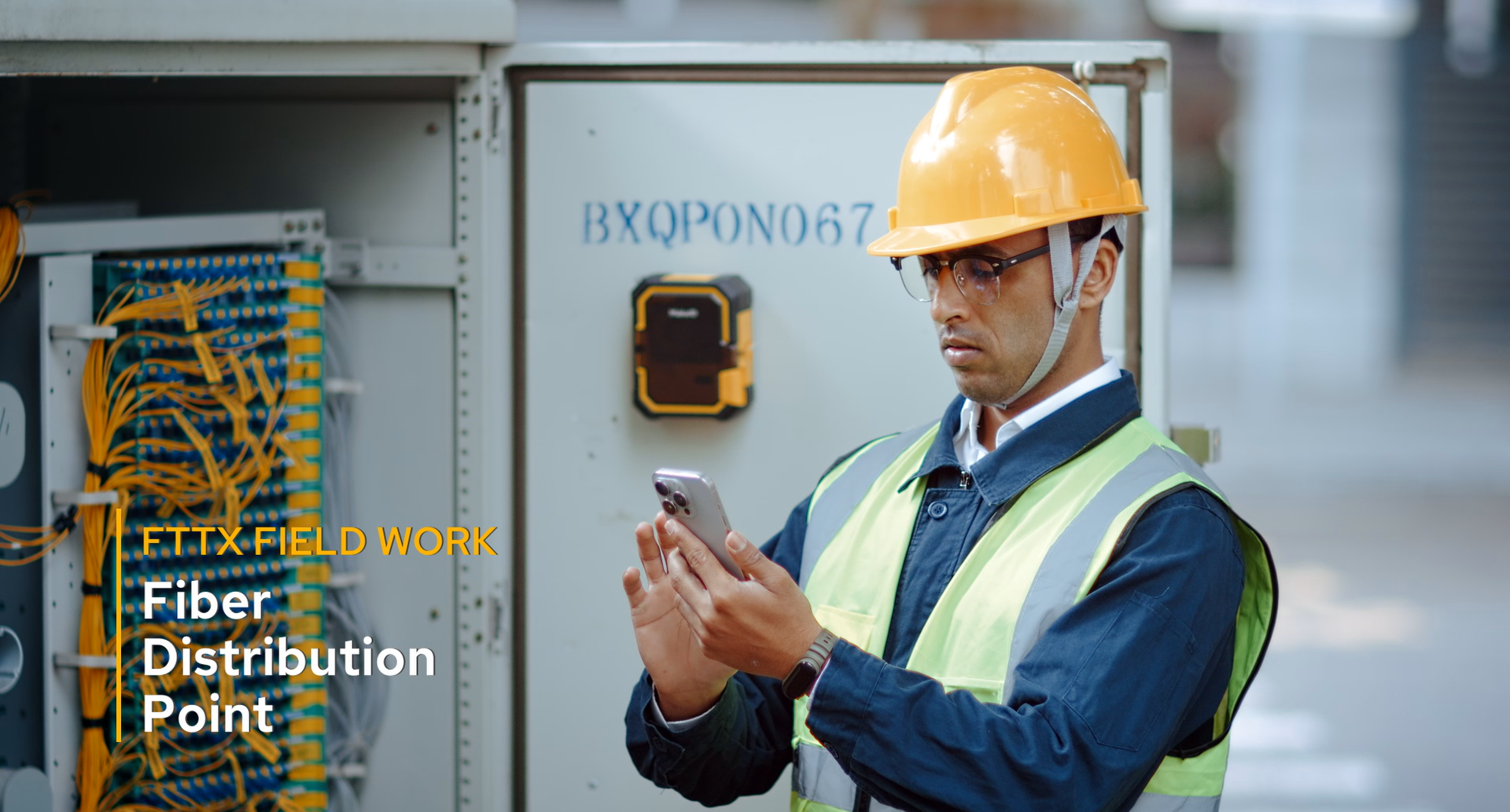
The MakeID M100C cable label printer is designed for professional cable identification and infrastructure management.
Unlike general-purpose label printers, M100C provides an efficient solution for network installers, IT teams, and technicians who need clear, reliable, and consistent cable labels.
It helps users create organized identification systems for:
- Network cables
- Patch panels
- Server racks
- Equipment connections
- Infrastructure maintenance
With professional label materials and an efficient printing workflow, M100C helps reduce labeling errors and improve installation efficiency.
Professional Cable Identification with MakeID M100C
In modern network environments, every cable needs a clear and consistent identity.
MakeID M100C helps teams create standardized labels for:
- Network cable identification
- Patch panel labeling
- Cable bundle marking
- Equipment identification
Clear labels make it easier for technicians to locate connections and complete maintenance tasks.
Whether during initial installation or future upgrades, organized cable labeling helps reduce unnecessary downtime.
Efficient Data Center Cable Labeling Workflow
Data centers require accurate and organized cable management.
When hundreds of cables are installed in a single rack, inconsistent labeling can increase troubleshooting time and create unnecessary risks.
The MakeID M100C cable label printer helps teams quickly create clear and standardized cable labels for:
- Server racks
- Network switches
- Fiber connections
- Structured cabling systems
By improving cable visibility, M100C helps IT teams maintain cleaner and more reliable infrastructure.
Durable Labels for Long-Term Identification
Cable labels often need to remain readable for extended periods.
Combined with suitable label materials, M100C supports durable identification solutions for environments where labels need to withstand:
- Frequent handling
- Cable movement
- Daily maintenance
- Long-term storage
This makes it suitable for professional cable management applications where clear identification is important.
Common Applications of MakeID M100C
Data Center Cable Identification
In high-density data centers, every cable needs a clear identity.
M100C helps teams organize:
- Server connections
- Rack cabling
- Patch panels
- Fiber identification
Clear labels make troubleshooting faster and reduce the risk of incorrect connections.
Network Installation
For IT contractors and network installers, efficient labeling is an important part of every project.
M100C supports:
- New office network deployment
- Server room installation
- Infrastructure upgrades
- Cable management projects
Industrial Cable Management
Cable identification is also important beyond IT environments.
M100C can support applications such as:
- Control cabinets
- Electrical systems
- Automation equipment
- Industrial maintenance
Reliable labels help companies maintain better equipment organization.
Frequently Asked Questions
What is the best cable labeling solution for network cables?
The best solution depends on the application. Professional cable label printers such as MakeID M100C help teams create consistent and durable labels for network cables, patch panels, and data center infrastructure.
Why is network cable identification important?
Network cable identification reduces troubleshooting time, prevents incorrect connections, and improves maintenance efficiency.
What are heat shrink wire labels used for?
Heat shrink wire labels are used for permanent cable identification. They are commonly applied to electrical wires, fiber cables, and industrial cable systems that require long-term durability.
Can M100C be used for data center cable labeling?
Yes. MakeID M100C can be used for professional cable identification tasks, including data center racks, network cables, patch panels, and structured cabling projects.
Final Thoughts: Building a Reliable Cable Labeling System
A successful cable labeling solution is not just about printing labels.
It is about creating a complete identification system that connects physical infrastructure with accurate documentation.
A professional solution should include:
- Durable label materials
- Clear naming standards
- Reliable printing workflow
- Consistent documentation
From telecom closets to large-scale data centers, the MakeID M100C cable label printer helps IT teams create organized, reliable, and easy-to-maintain cable identification systems.
By improving cable visibility and reducing human error, businesses can save maintenance time, improve network reliability, and build more efficient infrastructure.