
5S Labeling Guide: What to Label in Your Workplace

Lead Specialist, Telecom Digitalization & Identification at MakeID
As Lead Specialist at MakeID, he drives digital transformation for physical asset identification in FTTx. Optimizing field maintenance and data accuracy, he helps global telecoms reduce MTTR and enable real-time asset-data alignment.
In modern enterprise lean management practices, the 5S management method has been widely adopted in the global manufacturing, warehousing, and service industries. 5S stands for Seiri (Sort), Seiton (Set in order), Seiso (Shine), Seiketsu (Standardize), and Shitsuke (Sustain), and is a systematic workplace organization method. In the process of implementing lean management, many companies encounter the same problem: systems have been established, but implementation remains inadequate.
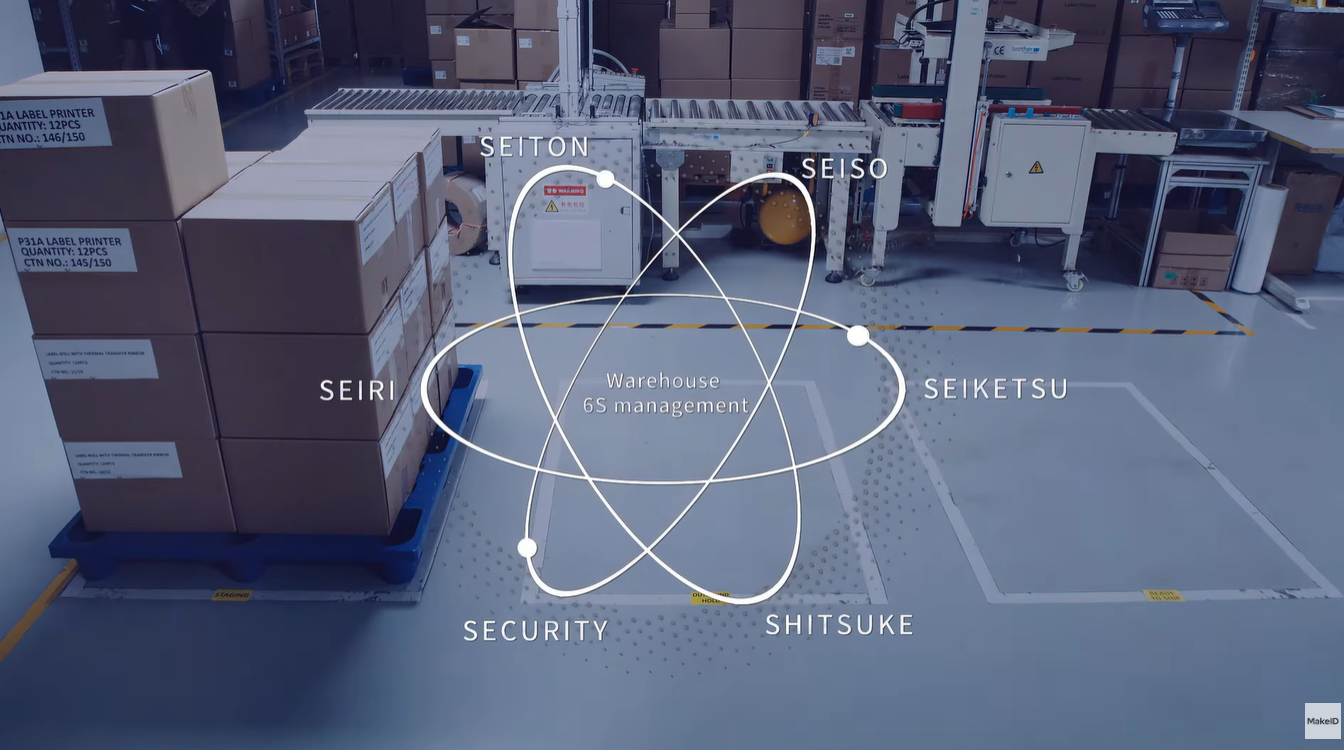
The reason is often not unclear processes, but rather—a lack of standardization and visualization tools.
A scientifically sound labeling system can not only enable employees to quickly identify the location of items, equipment status, and operating procedures, but also significantly reduce search time, decrease errors, and improve overall work efficiency. Studies show that companies implementing standardized labeling management experience an average increase in production efficiency of 15% to 30% and a significant reduction in accident rates.
5S Label Management
5S Label Management covers the entire process of the five pillars:
- Sorting Stage: Use red labels (Red Tag) to identify and separate unnecessary items, ensuring that only necessary items are retained in the working area.
- Organizing Stage: Assign fixed positions to each item and clearly label them with tags, achieving a visual effect where the location can be known at a glance.
- Cleaning Stage: Mark the cleaning areas, frequencies and responsible persons through labels to ensure that the cleaning work is carried out in accordance with rules.
- Cleaning Stage: Standardize the label templates to ensure a unified style of labels throughout the factory and establish visual consistency.
- Culture Stage: Regularly review and maintain the label system to cultivate employees’ self-management awareness and habits.
The Core Principles of Effective Labels
An excellent 5S label system should follow the following core principles:
- Clarity: The font size should be appropriate, with a clear color contrast, allowing for identification from a distance.
- Consistency: The entire company should use a unified label template, color coding, and font specifications.
- Durability: Choose the appropriate material based on the environment to ensure the labels can be used for a long time in humid, hot, or dusty conditions.
- Accuracy: The label content must be completely consistent with the actual situation. Outdated or incorrect labels are more dangerous than no labels at all.
Common Label Materials and Tools
Depending on the usage scenarios, the following label materials can be selected:
- Vinyl (Vinyl) Labels: Resistant to wear and water, suitable for floors and equipment surfaces.
- Polyester (Polyester) Labels: Resistant to high temperatures and chemicals, suitable for industrial equipment labeling.
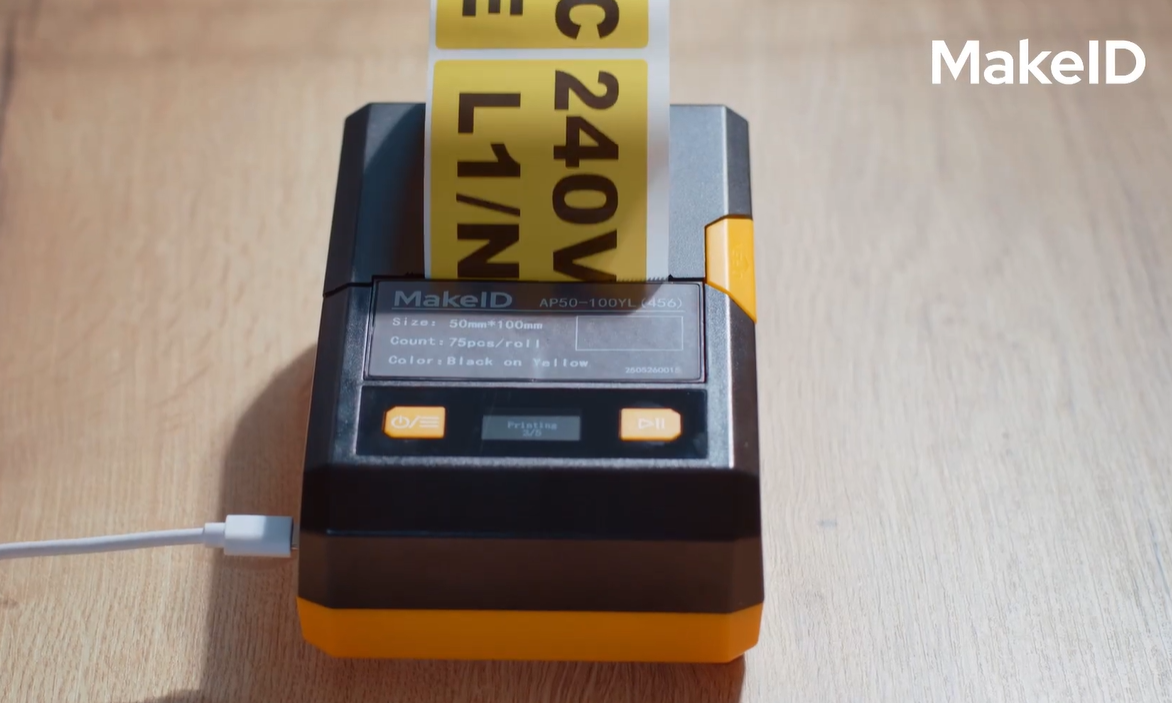
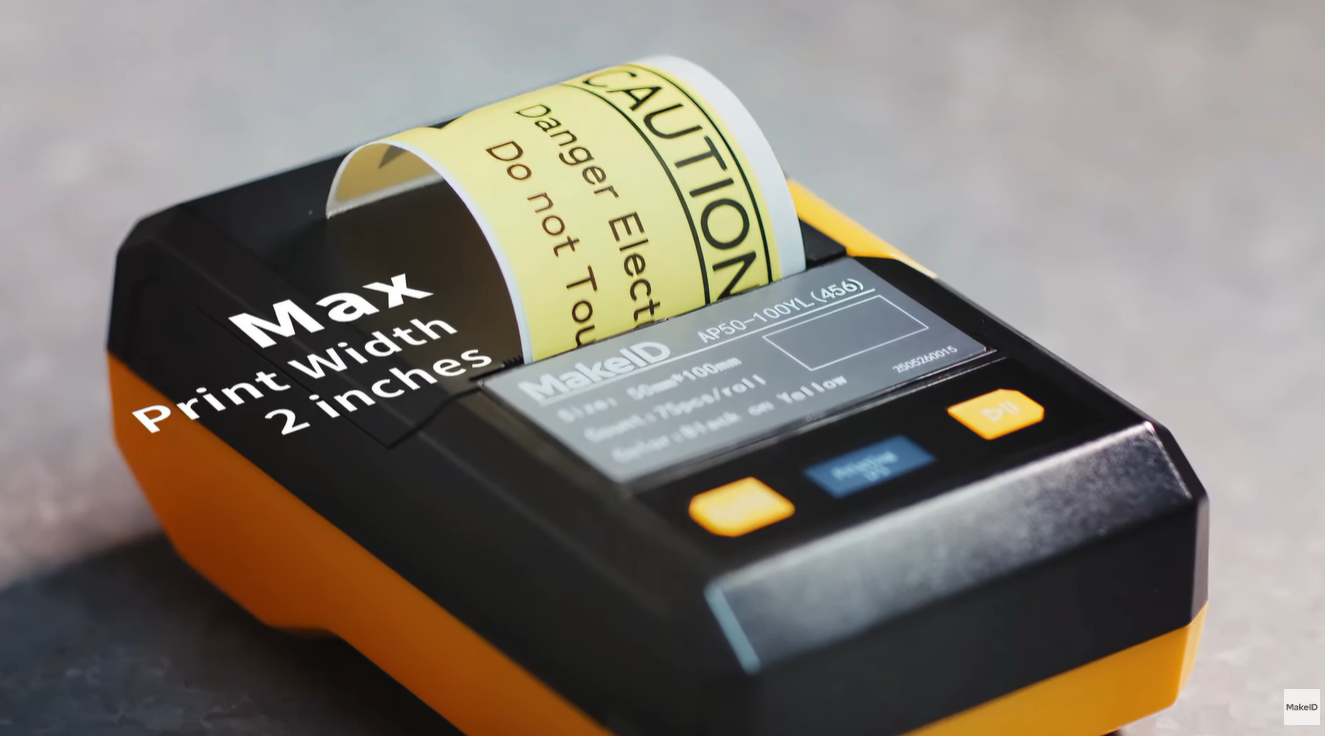
- Stacked Labels: Suitable for dynamic inventory areas that require frequent replacement.Thermal Transfer Label Printer : Can print durable labels on-site.
Objects Requiring Labeling During Work
1. Area and zone demarcation
Pedestrian walkways: Marked with yellow lines, at least 90cm wide, to ensure safe passage for personnel.
Work and storage areas: Marked with white/blue lines to prevent area misuse.
Emergency evacuation routes and emergency assembly points are clearly marked in red and must be kept clear at all times.
2. Storage Area
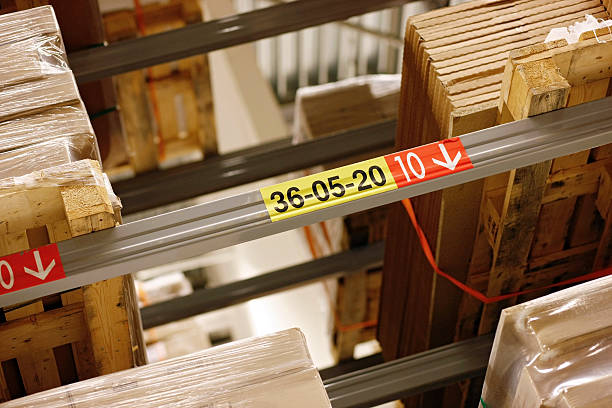
Shelf Coding: A four-level coding system (area-row-column-layer, e.g., A-02-03-B) ensures each item has a unique address.
Material Boxes and Containers: Labels with name, specifications, and quantity on the front. Magnetic labels are preferred for dynamic inventory.
Tool Panels: Tool outline panels allow employees to see at a glance whether tools are in place, facilitating quick inventory checks.
3.Equipment and Machinery
Equipment nameplate: indicates the name, number, model, purchase date and maintenance person in charge.
Operating parameters: the instrument panel indicates three color ranges: green (normal), yellow (caution), and red (danger).
Maintenance points: marks the location of lubrication points, the type of lubricant and the frequency of addition, so that maintenance work can be tracked.
4. Inventory and Materials
Raw materials: Mark with batch number, entry date and expiration date, supporting quality traceability.
Work-in-progress (WIP): Mark with work order number, current process and target completion time, reflecting the production progress in real time.
Maximum/minimum inventory lines: Color bands on the storage location indicate the MAX/MIN replenishment lines, achieving visualized inventory management.
5. Piping, Cables, and Utilities
Pipe contents: Media type is labeled according to international standards (green = water, yellow = gas, red = fire extinguishing).
Flow direction arrows: The direction of media flow is indicated on each section of pipe for quick assessment in emergencies.
Electrical panels: Each circuit breaker is clearly labeled with the corresponding equipment or area for quick power disconnection.
6. Safety and Hazardous Areas
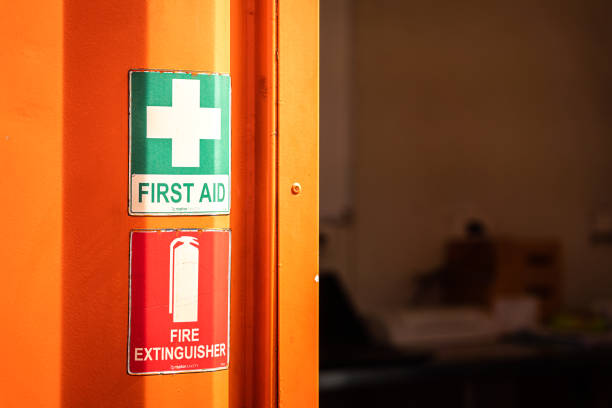
Fire and emergency facilities: Fire extinguishers, first aid kits, and locations of AEDs are marked in red, and designated areas for no occupation are marked on the ground.
Dangerous goods storage: Complies with GHS standards, including hazard symbols, protective measures, and emergency handling information.
PPE requirements: Markings indicating the required personal protective equipment at the entrances of each operation area, and mandatory enforcement of protection standards.
Color Coding Quick Reference
| Color | Meaning | Typical applications |
| red | Danger / Prohibition / Unqualified | Fire-fighting facilities, non-conforming products, restricted access areas |
| yellow | Warning / Channel Boundary | Pedestrian passageways, forklift passageways, warning signs |
| green | Normal / Qualified / Safe | Qualified product area, first aid facilities, normal operating status |
| blue | Information / Material Labeling | Shelf labels, equipment information signs, operation requirements |
| orange | Dangerous Goods / High Temperature Warning | Chemical containers, high-temperature pipelines |
Label Design and Maintenance Essentials
Clear and legible: Minimum 12pt for close-up labels, minimum 36pt for medium-distance (within 3m), and use in conjunction with icons for long-distance labels.
Unified Standards: Establish a company-wide standardized label template to avoid color and format confusion caused by departmental designs.
Durable Materials: Select vinyl, polyester, or magnetic labels according to the environment; use dedicated durable materials for high-temperature/chemical areas.
Regular Review: Address any damage discovered during daily inspections; conduct a formal monthly audit of label accuracy, linking it to performance evaluations.
Timely Updates: Labels must be updated simultaneously with any changes to processes or layout to prevent discrepancies between label content and actual conditions.
Summary
The essence of 5S is not “sorting”, but rather: creating a working environment that everyone can understand without the need for explanations. And labels are the fundamental tools for achieving this goal.