
How to Print Clear and Durable Fiber Cable Labels in the Field?
When working with fiber optics, labeling clearly isn’t optional- it’s required. In an office, a telecom cabinet, or an outdoor network site, the cables must be visible and secure over the course of. However, conditions in the field aren’t always ideal. Heat, dust, moisture and tight spaces could all affect the label quality.So we’ll show you how to print durable and clear fiber cable labels on the field, step-by- the step.
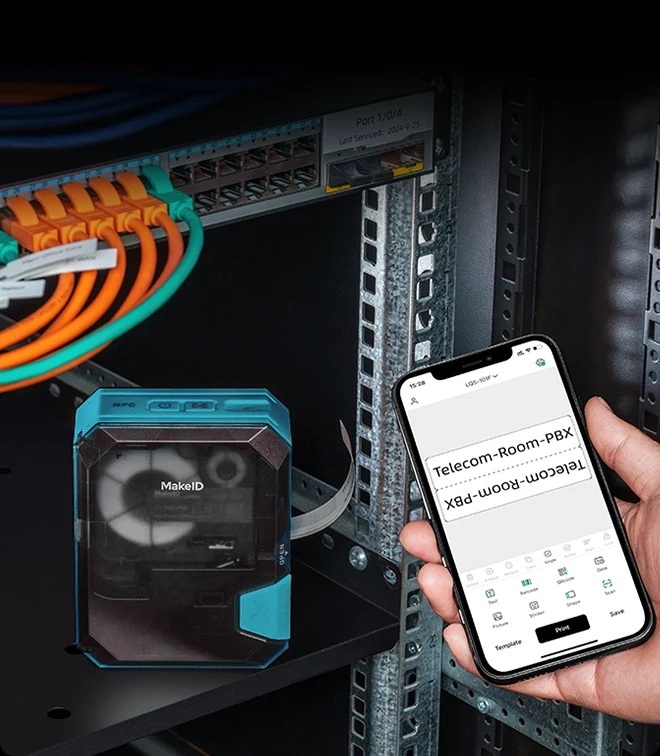
Why Field Printing for Fiber Cable Labels Matters?
Contrary to factory settings that are controlled, installation in the field is unpredictably. Technicians are often required to label cables right away while they are in the process of deployment, maintenance or troubleshooting.
A clear and durable labeling system is helpful:
- Reduce misidentification errors
- Accelerate repairs and maintenance
- Enhance the network’s compliance with standards
- Ensure long-term traceability
Labels that aren’t of the highest quality can peel, fade or even smudge, creating confusion which leads to delays and increased cost.
Common Challenges of Printing Cable Labels in the Field
Prior to deciding on the equipment or material it’s crucial to comprehend the most significant challenges faced by technicians.
1. Harsh Environmental Conditions
Cabinets outside and telecom rooms could expose labels to ultraviolet light, humidity or temperature changes.
2. Curved and Small-Diameter Cables
Fiber cables are usually lightweight and flexible. Flexible labels might not fit correctly, leading to flagging or lifting.
3. Limited Equipment Access
Field technicians require batteries-powered, portable solutions instead of huge desktop printers.
4. Long-Term Readability Requirements
Barcodes and alphanumeric identifications should remain legible over time, even in the event of handling and scratching.
Understanding these issues will help you make better equipment and materials choices.
How to Print Durable Fiber Cable Labels in the Field?
Step 1: Prepare the Cable Surface
Before applying any label:
- Wipe the cable with a clean, dry cloth
- Remove dust, oil, or moisture
- Ensure the surface is completely dry
Even high-performance adhesives fail if applied to contaminated surfaces.
Step 2: Use a Portable Thermal Transfer Printer
Comparison: Field Label Printing Equipment
| Feature | Handheld Thermal Transfer | Desktop Industrial Printer | Direct Thermal Portable |
| Portability | Excellent | Limited | Good |
| Print Durability | High | Very High | Moderate |
| Barcode Clarity | Excellent | Excellent | Fair |
| Best Use Case | On-site labeling | High-volume printing | Temporary labeling |
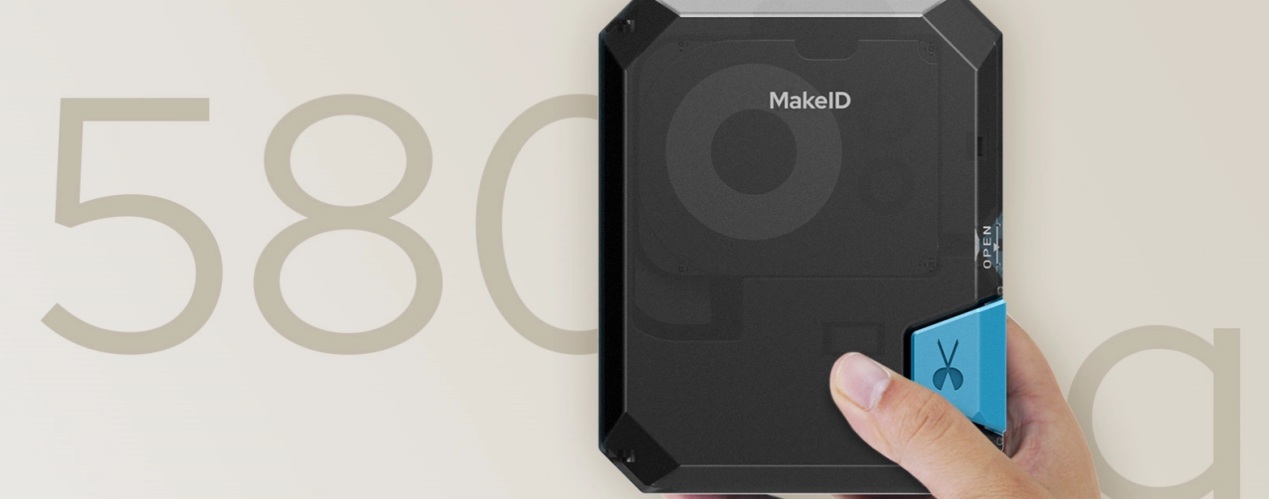
For field work, handheld thermal transfer printers are the most reliable option. Compared to direct thermal printing, thermal transfer:
- Produces sharper text and barcodes
- Resists fading
- Withstands heat and chemicals better
Portable business-grade label printers, such as those used in industrial environments, combine mobility with durable output.
Step 3: Choose the Right Label Material
Material selection determines long-term performance.
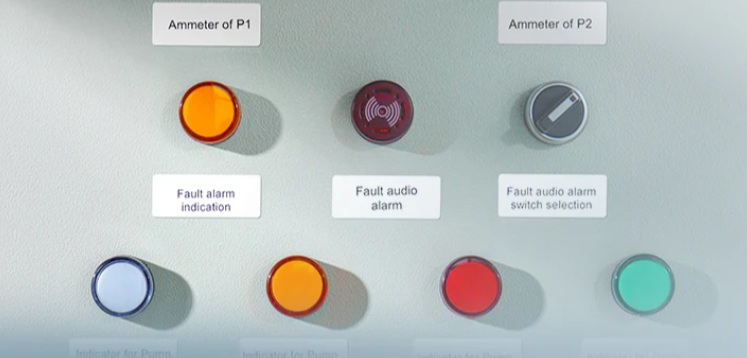
Flexible nylon cloth labels are perfect for Electrical & Cable Identification due to the fact that they:
- Easy to conform to curving surfaces
- Resist edge lifting
- Maintain adhesion under vibration
PET labeling offer more abrasion resistance and chemical resistance, however they could be less flexible for small-diameter cables.
For wraps that are tight and overlap situations, flexible products usually work better.
Step 4: Optimize Label Design for Readability
A label that is durable won’t be useful in the event that it’s hard to read.
The best practices are:
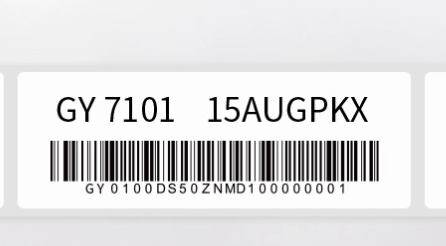
- Use high-contrast black-on-white layouts
- Do not use fonts with too much size.
- Allow enough space around barcodes.
- Utilize industry labeling guidelines when appropriate.
Keep information concise: cable ID, rack number, port number, or network segment.
Step 5: Apply the Label Correctly
Application technique is just as important as printing quality.
For fiber cables:
- Use wrap-around or flag-style labels depending on cable size
- Apply firm, even pressure
- Avoid stretching the label during application
- Allow adhesive to set properly before handling
Proper application prevents early peeling or lifting.
Common Field Printing Mistakes to Avoid
Even experienced technicians sometimes encounter problems. Here are common issues:
Label Peeling at Edges
Usually caused by rigid materials on curved cables.
Smudged Text
Often due to incorrect ribbon-material pairing.
Faded Labels Over Time
Common with direct thermal printing instead of thermal transfer.
Poor Barcode Scanning
May result from low contrast or incorrect sizing.
Preventing these issues starts with selecting a purpose-built labeling solution.
Choosing the Right Labeling Solution for Professional Use
Professional fiber installations demand more than basic office label printers. Industrial-grade portable systems designed for telecom and network environments provide:
- Clear thermal transfer printing
- Flexible, durable label materials
- Strong permanent adhesion
- Compatibility with cable wrap and flag formats
MakeID’s industrial solutions are specifically designed for field applications. With compact, battery-powered printers and integrated ribbon-label cartridges, they enable technicians to print durable cable labels directly on site without bulky equipment.
MakeID’s labeling systems support flexible materials that work with fiber cables. They also feature high-contrast thermal transfer print to ensure barcode readability and are specifically designed to withstand harsh environments, such as data centers, telecom cabinets as well as industrial buildings.
A reliable labeling increases maintenance efficiency and regulatory compliance across the entire network infrastructure and, in addition, decreases the chances of rework.
Final Thoughts
Printing clean and durable labels for fiber cables in the field is achievable using the right method and equipment. Through the proper combination of preparation of the surface and the technology of thermal transfer printing, flexible material and proper application techniques Technicians can make labels that are clear and safe for many years.
In the most demanding industrial and telecom settings In industrial and telecom environments, investing on MakeID high-quality portable labels system guarantees consistent quality print along with long-term adhesion as well as operational efficiency. The result is less errors in identification, smoother maintenance workflows and better protection for critical infrastructures of networks.